
FAMOUSLY CELEBRATED AS THE LOVELIEST VALLEY IN SUSSEX
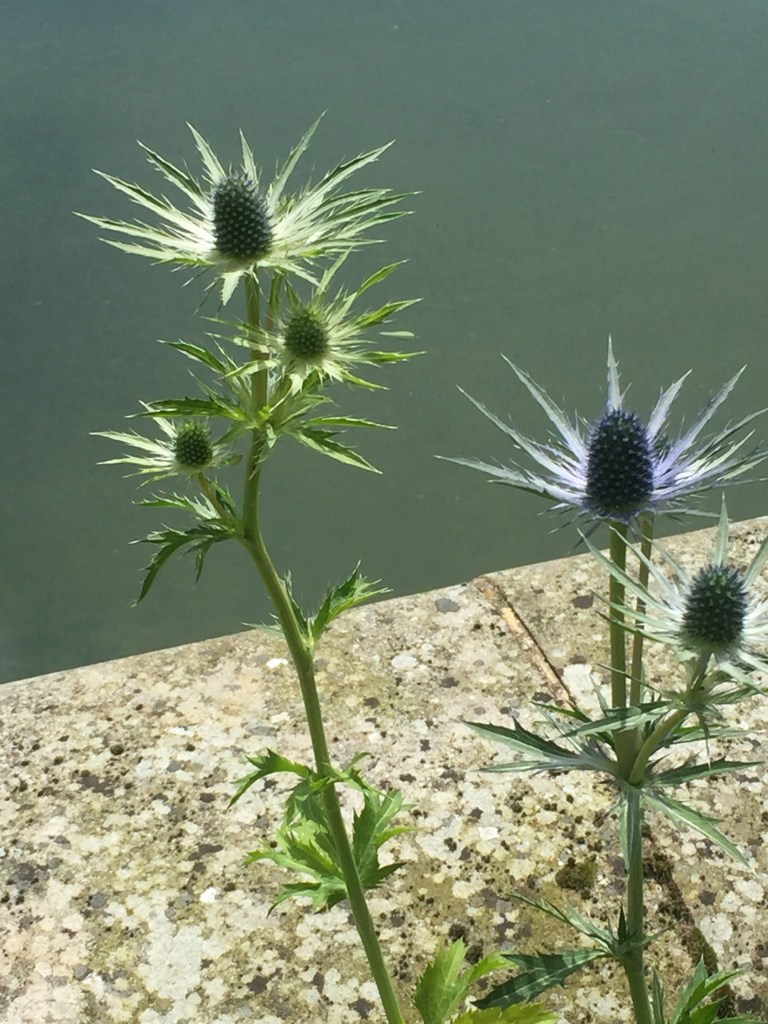 Just colouring Eryngium (sea holly) by the pool, Mary’s Garden, Woolbeding
It is the day after the General Election. The sky is gloomy, the nation surprised and jittery. And I am full of uncertainty too as I drive doggedly down to Woolbeding Gardens in Sussex. I am going because it is June, because it is in my diary, because I had been planning an uplifting midsummer day out to this fine English garden.
As soon as I enter the entrance courtyard – named Mary’s Garden after the wife of a former Head Gardener – I become absorbed by the calming deftness and welcoming generosity of this walled haven and my mood softens.


 Mary’s Garden, Woolbeding, with its interlocking pools and generous planting
Mary’s Garden was designed by Isabel and Julian Bannerman who were asked to convert a sloping farmyard into a gentle and beguiling new entrance before the garden opened to National Trust visitors in 2011. The house and garden had been lovingly restored and enhanced by Simon Sainsbury and Stewart Grimshaw ever since they had taken on the lease from the National Trust in 1972. When Simon Sainsbury died, Stewart Grimshaw decided to open the garden to visitors for the first time and the Bannerman’s, who had already worked extensively on one part of the garden, were ‘touched’ by the commission from their friend and client who seemed determined that everything at Woolbeding should continue with ‘if possible heightened standards’.
The Bannerman’s approached the commission with characteristic gusto ‘our proposal has a great picture of (the landscape architect) Sylvia Crowe standing by a pair of concrete ‘coffee tables’ filled with water’ writes Isabel Bannerman in a wonderful book on the garden ‘The Loveliest Valley’ with photographs by Tessa Traeger. But as time went by ‘something a bit more Sussex farmyard’ was opted for. The pools are a surprisingly low key presence. They successfully settle the sloping garden into easy levels, the blue-green water offers quietly hovering reflections, but mostly they seem to be there as a wonderful backdrop for the gorgeous waves of colour in the soft and exuberant planting that weaves itself through the space. Isabel Bannerman is keen to stress that it is Stewart Grimshaw’s own ‘wandy planting’ – Stewart Grimshaw is Kew trained and his unstoppable passion for plants permeates the whole of Woolbeding – but, whoever is responsible, it is a celebratory approach.
I love the cool pink whorls of the Phlomis tuberosa ‘Amazone’ next to the fluffy, almost salmon pink Sanguisorba officinalis ‘Pink Tanna’ with the pale blue of Amsonia tabernaemontana var. salicifolia dancing up between them:
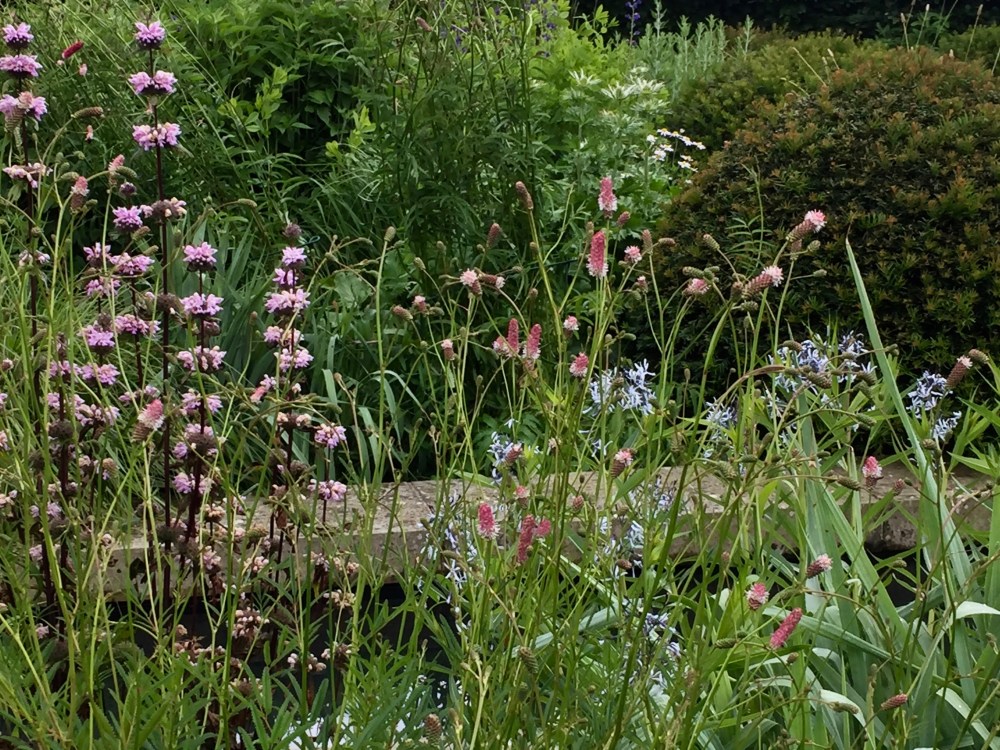 Phlomis tuberosa ‘Amazone’ Sanguisorba officinalis ‘Pink Tanna’ and Amsonia tabernaemontana var. salicifolia
And elsewhere the clear violet-blue pea flower of Baptisia australis contrasts wonderfully with its subtle cross-hatched backdrop of variegated miscanthus and silvery sea holly.
Baptisia australis with variegated miscanthus behind and sea holly in front
Arching faded burgundy grass heads sing out against the wonderful low mounds of acid yellow Euphorbia which add a happy energy to the scene.
 Arching stems of a faded burgundy grass heads against acid yellow Euphorbia cyparissias
 Euphorbia cyparissias lighting up the scene
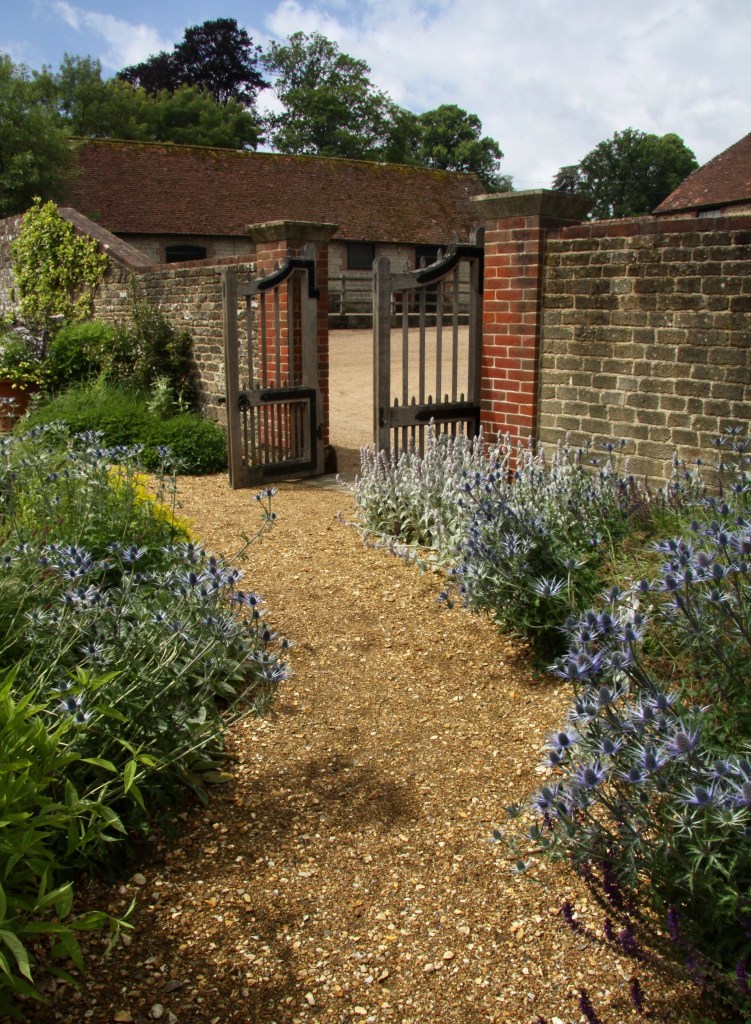
The particularly finely cut form of sea holly – possibly Eryngium x zabellii ‘Big Blue’? – is planted in generous stretches and works brilliantly both as a structural plant to line paths and in combination with other plants.
Here it is lining the path at the entrance gate:
And here it is punctuated with the intriguing uprights of a narrow, dusky form of the katsura tree, Cercidiphyllum japonica ‘Rotfuchs’ which has grey-blue leaves which turn to dark claret:
 The path is lined with eryngium, punctuated with the dark claret upright form of Cercidiphyllym japonica ‘Rotfuchs’.
 Leaves of Cercidiphyllum japonica ‘Rotfuchs’
It looks wonderful in combination with the incredibly long lasting perennial wallflower Erysimum ‘Bowles Mauve’. As ever, a reminder never to ignore well known plants which offer such fantastic value …
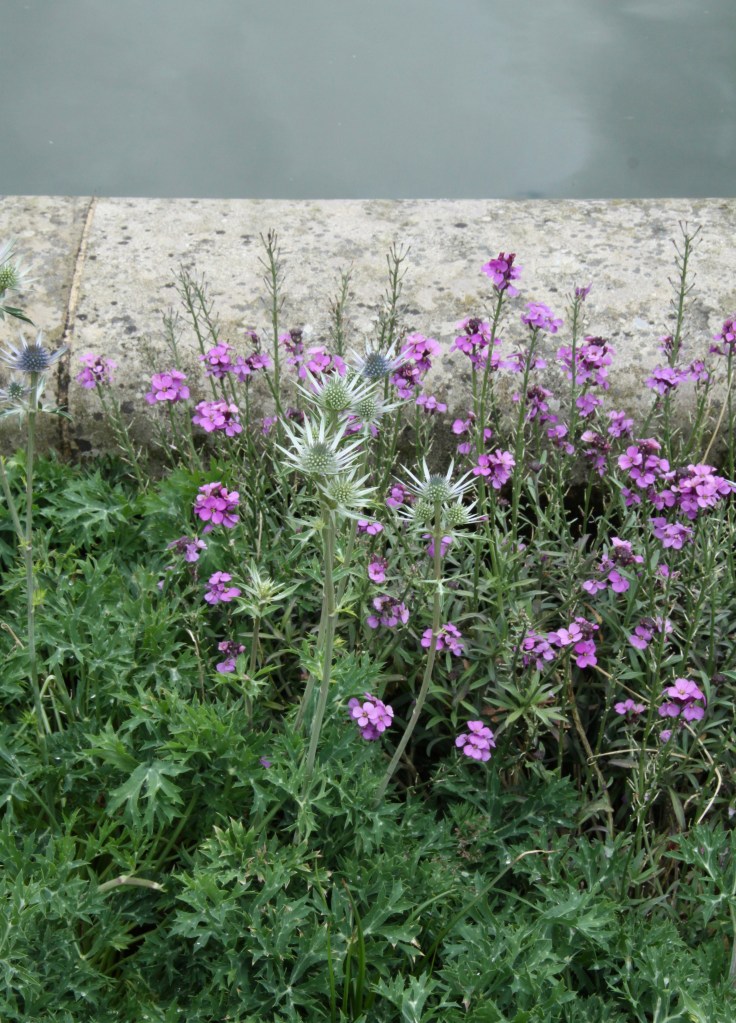 Sea holly with Erysimum ‘Bowles Mauve’
The planting is perfectly anchored by a small battalion of tightly clipped yew domes.
 Clipped yew domes anchor the planting
These work equally well with lower mounds of the pale eau de nil grass Sesleria nitida and with the soft pinky mauve spikes of Salvia nemerosa ‘Amethyst’.
 Clipped yew domes with Sesleria nitida
 Clipped yew with Salvia nemerosa ‘Amethyst’ and sea holly
And just as you think you have the measure of what is going on there is a sophisticated switch of palette.
In the upper corner a pretty cedar tiled bird table hovers above a lush planting of Bowles’ Golden Grass (Millium effusum ‘Aureum’). The entire area is suddenly just shades of green and yellow with sweet pockets of plants such as the pale yellow Phygelius aequalius ‘Yellow Trumpet’ energising the scene.
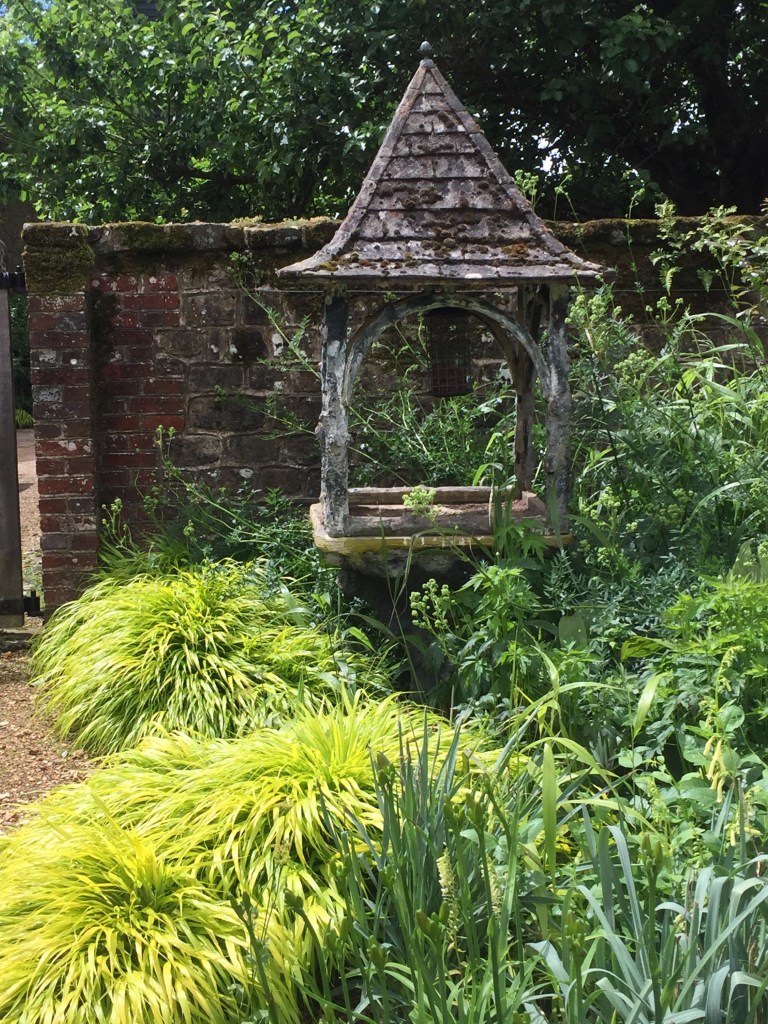 A bird table hovers above Bowles’ Golden Grass – Phygelius aequalius ‘Yellow Trumpet’ in the bottom right corner
In the opposite corner a spreading cornus tree covered in creamy flower bracts – I wonder if it is the semi evergreen Cornus capitata? – nestles comfortably against the wall:

 Possibly Cornus capitata with its pretty creamy flower bracts
And in front of the cornus tree, the pointy flower buds of the perennial allium ‘Babington’s Leek’ soar against the sky on their ridiculously long stems. ‘Babington’s Leek’ flower buds against the sky
I love the way a sudden spreading mound of a single wiry curry plant – Helichrysum italicum – is allowed to do its silver-white, peppery-scented thing against a corner of the upper pool.
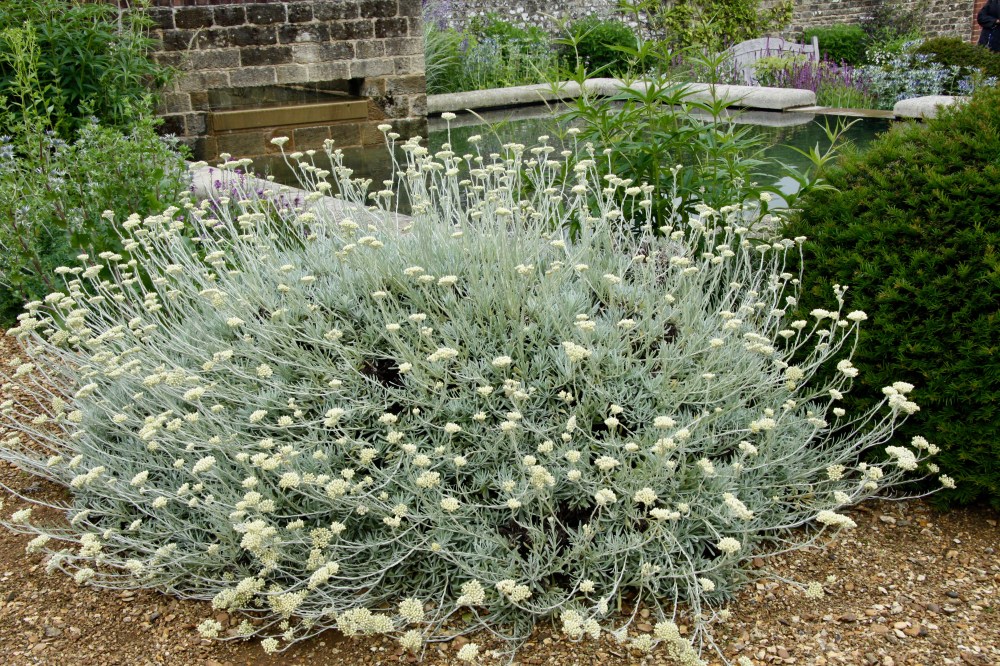 A spreading mound of Helichrysum italicum
And I love the way the palette turns again to pinks and mauves amongst the pair of ancient olive trees in stone pots – the delicate spires of Linaria purpurea ‘Canon Went’ are the stars of this particular show.
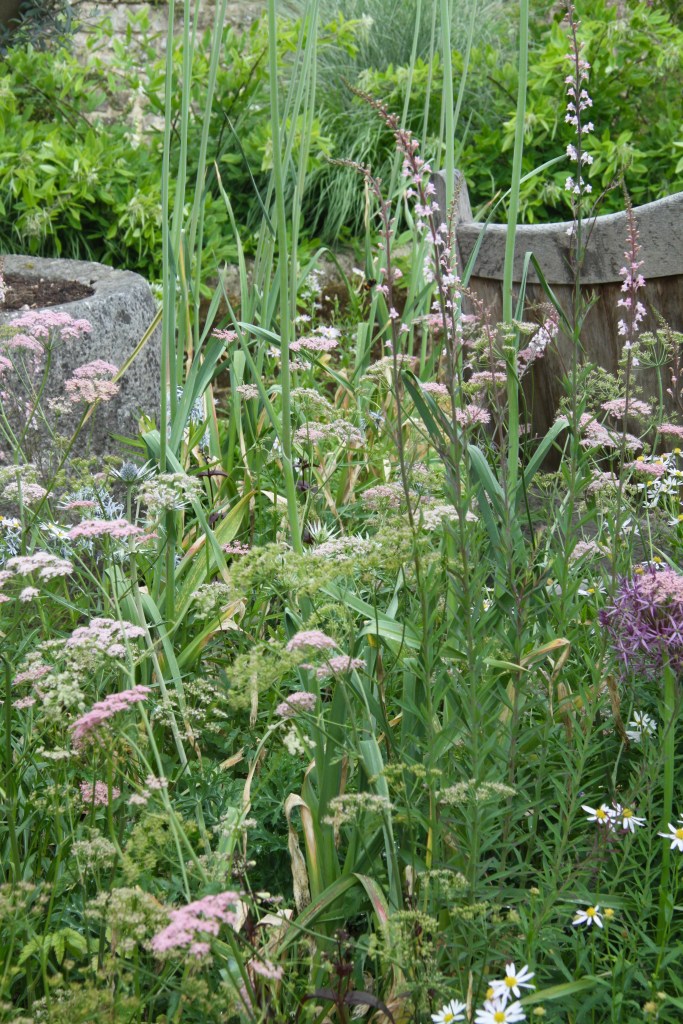 Linarea purpurea ‘Canon Went’
Back in the lower part of the garden I notice that double hedges – two sides of stilted lime hedge against a ground of solid green hornbeam hedge – add to the feeling of comfortable shelter. This is a garden that has been meticulously and imaginatively envisaged, perfectly planted and is immaculately cared for. I happen to be meeting Isabel and Julian Bannerman a few days later and they tell me how much they enjoyed the project. ‘It was fun doing a more modern garden’ muses Julian ‘it was hard’ – finding a task difficult often leads to the most satisfactory solutions.
I suddenly realise that it is 7pm on a Friday night. Two weeks have passed, full of much horror and sadness. On a sweeter domestic level, our son’s A level exams are finally over so there is that disbelieving feeling in the house of a 17 year old with a gap year ahead of him, released from life in front of an electric fan with a bowl of cereal and a sheaf of essay plans for company.
And I am looking at my photographs of this extraordinary and extensive garden and wanting to show them to you, but panicking about the time. And so I will shortchange you, if I may, and give you a whistle stop tour – if only to tempt you to visit Woolbeding and go see for yourself.
The yew topiary everywhere in the garden is plump and inviting: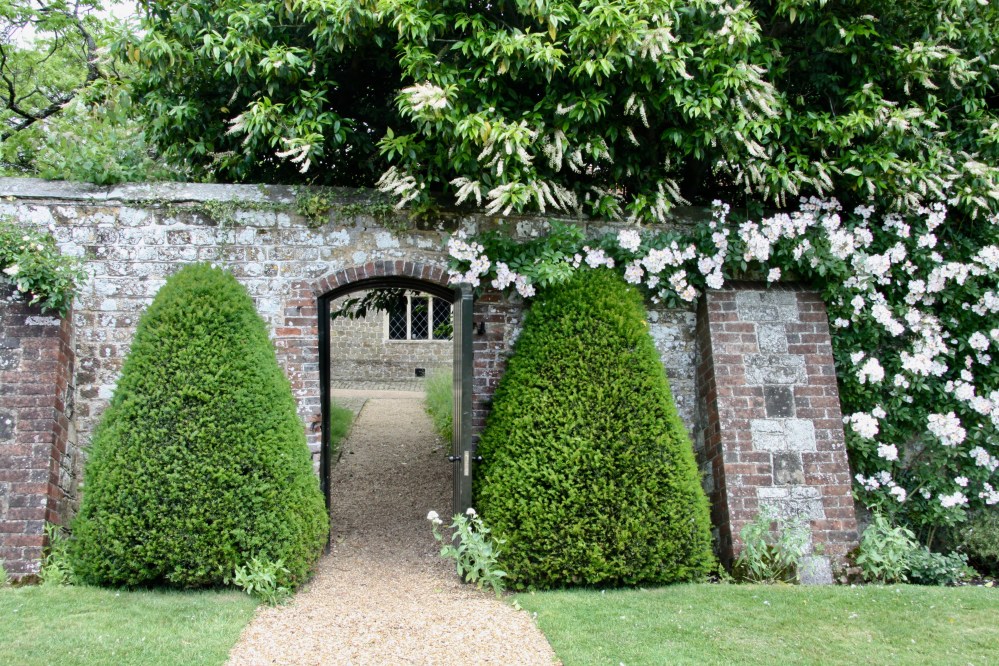

 Yew topiary at Woolbeding
There are criss cross belgian fence trained apple trees framing the Herb Garden and Vitis vinifera ‘Purpurea’ against mottled brick walls.
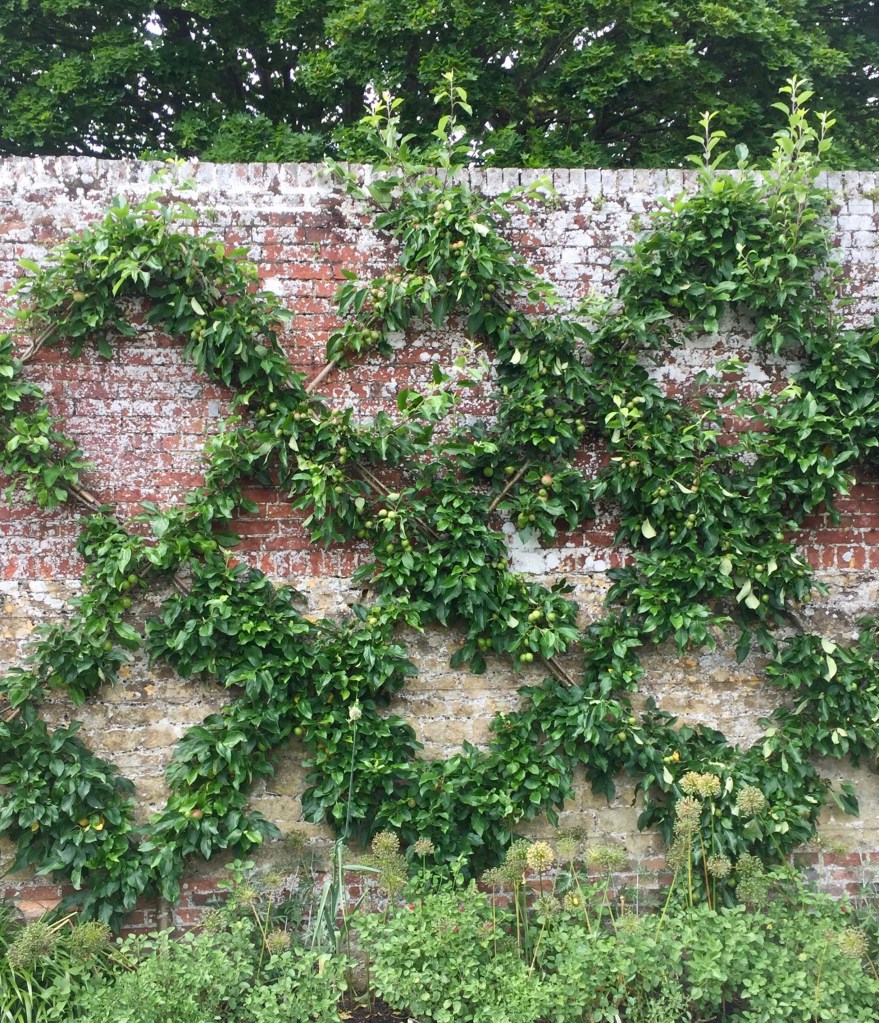 Belgian fence apple trees
 Vitis vinifera ‘Purpurea’
Much of the garden was laid out in the 70’s by American landscape architect Lanning Roper with buildings designed and enhanced by Philip Jebb. There is a wonderful swimming pool and Philip Jeb pavilion which reminds me, with its atmosphere of comfortable international glamour, of the garden of the American Ambassador to the UK, Winfield House :


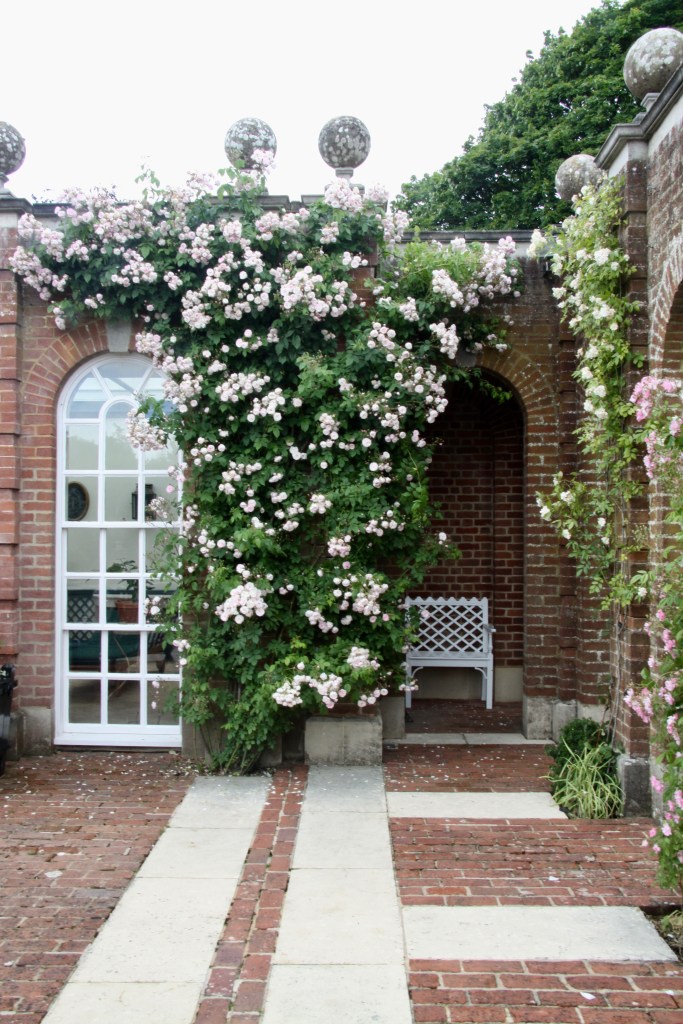 Hedge and rose enclosed swimming pool and pavilion, Woolbeding
There is more tantalising topiary leading you on:
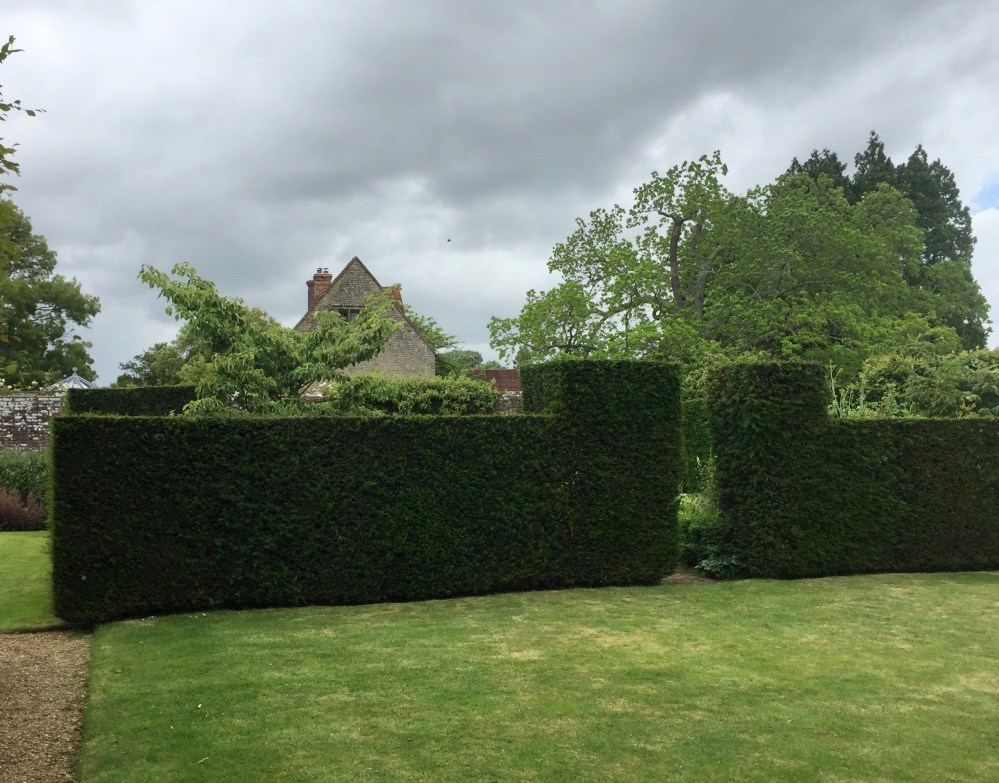
 topiary, Woolbeding
And then in the Fountain Garden there is this fantastic combination of pale lilac delphinium, palest pink geranium and variegated box against darkest green yew:
 Pale delphiniums and geraniums and variegated box topiary against yew
The Fountain Garden is full of rich colour including a wonderful orange rose which climbs up skywards and little groups of Viola ‘Bowles’ Black’ planted in cracks in the paving.
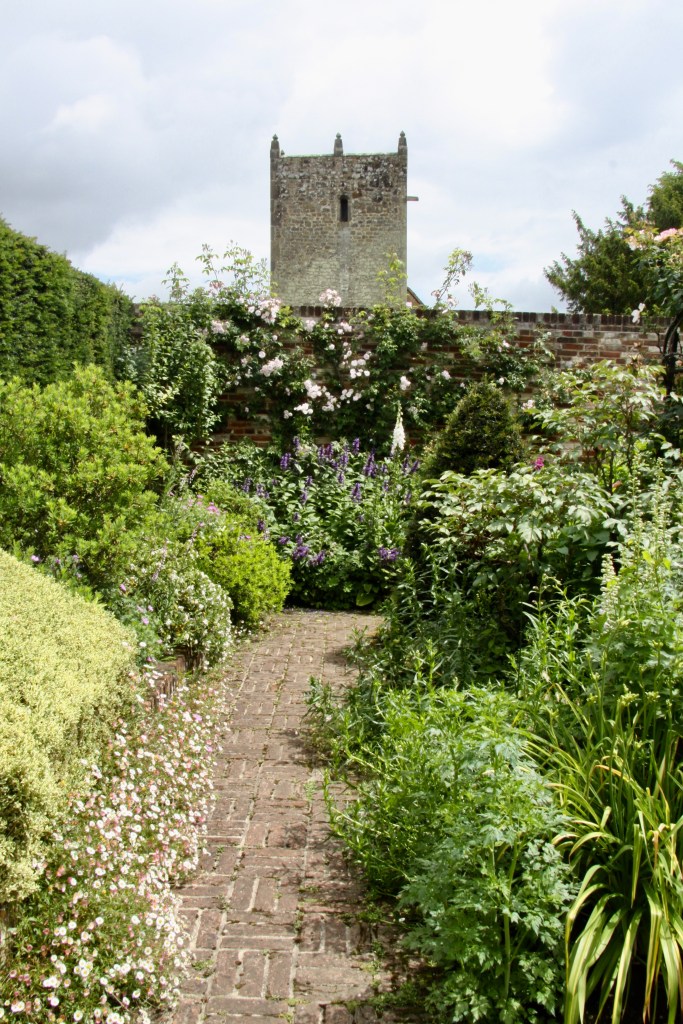


 Rich colour in the fountain garden
There is a a heavenly croquet lawn:
 The croquet lawn, Woolbeding
A sudden discovery of drystone walled terraces with irises and blue benches for contemplation:


 Iris terraces, Woolbeding
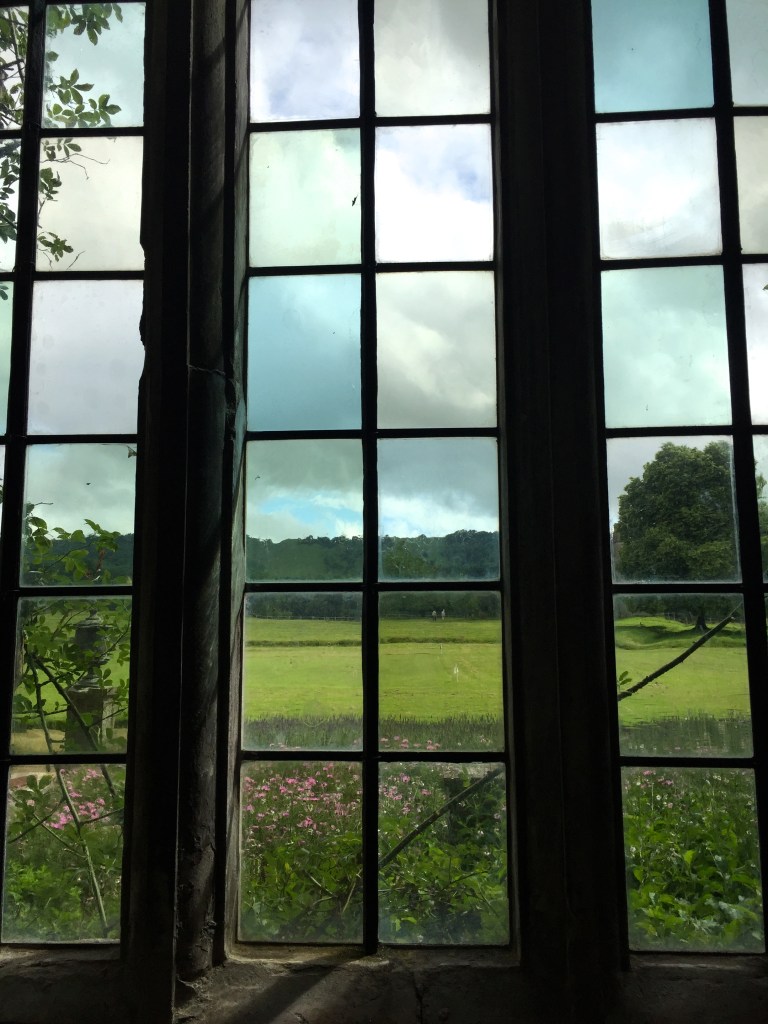
A gnarled hornbeam tunnel with a bench to sit on as you gaze at the River Rother below:


 Hornbeam tunnel, Woolbeding
And a heart-stopping oriental plane tree, with incredible spreading branches, which lower themselves down onto a sea of cow parsley and campanula.
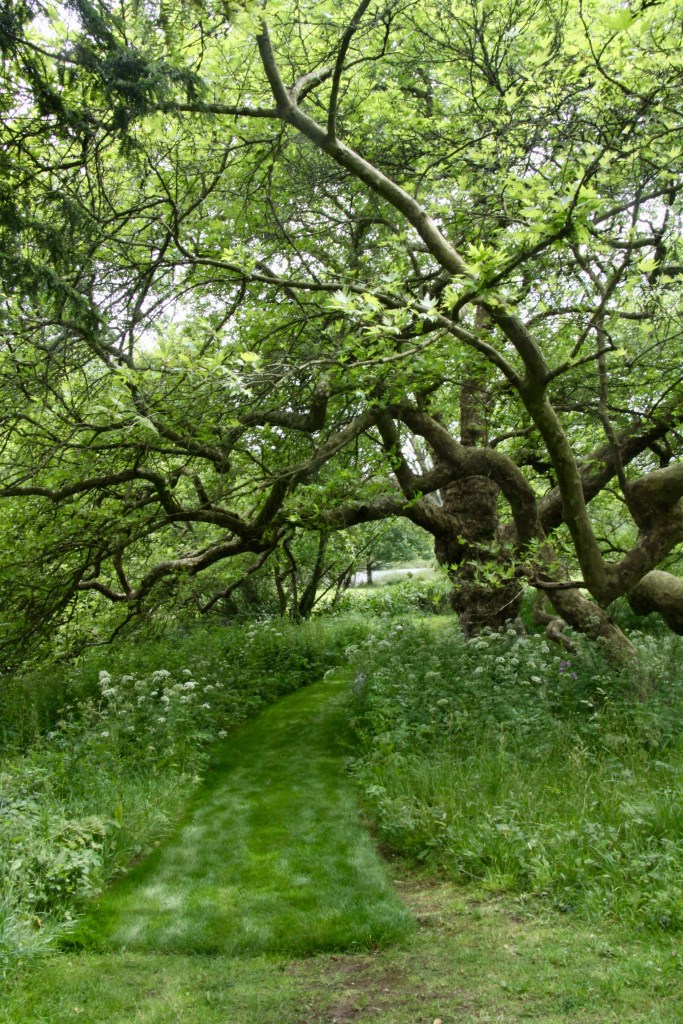
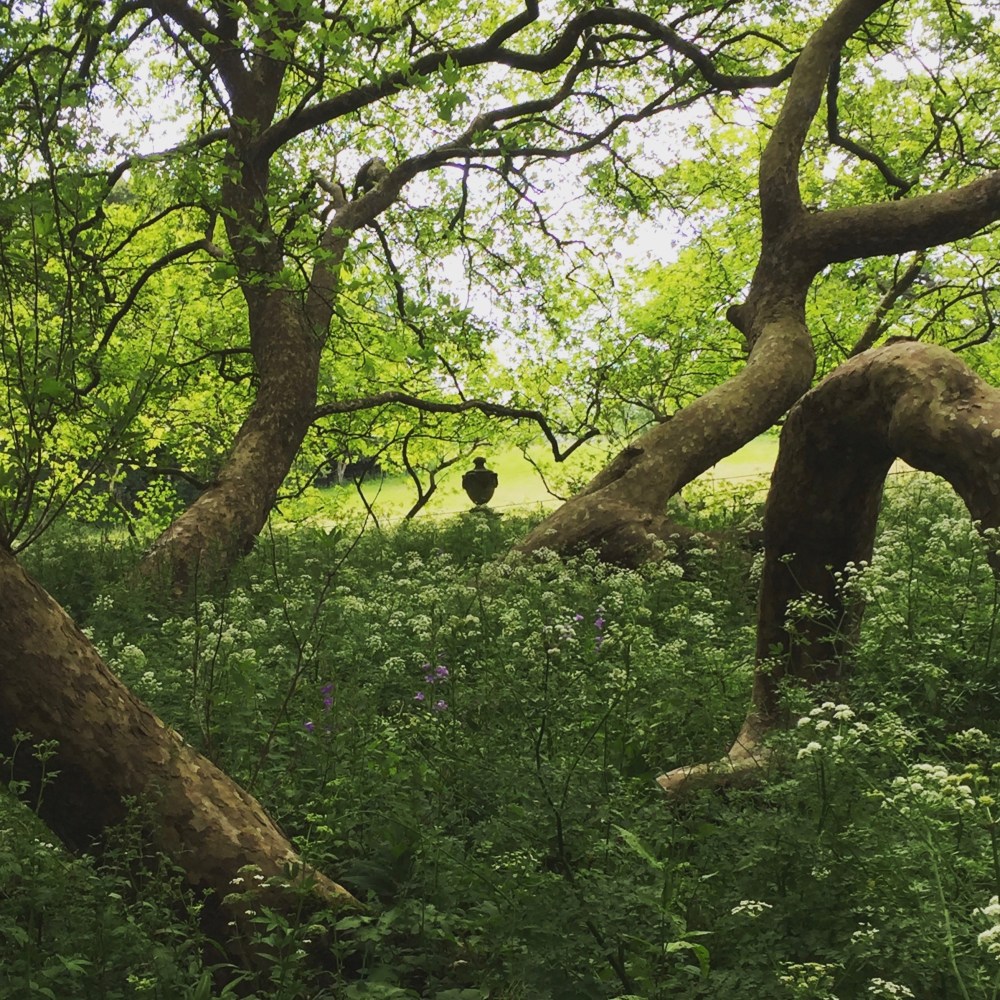

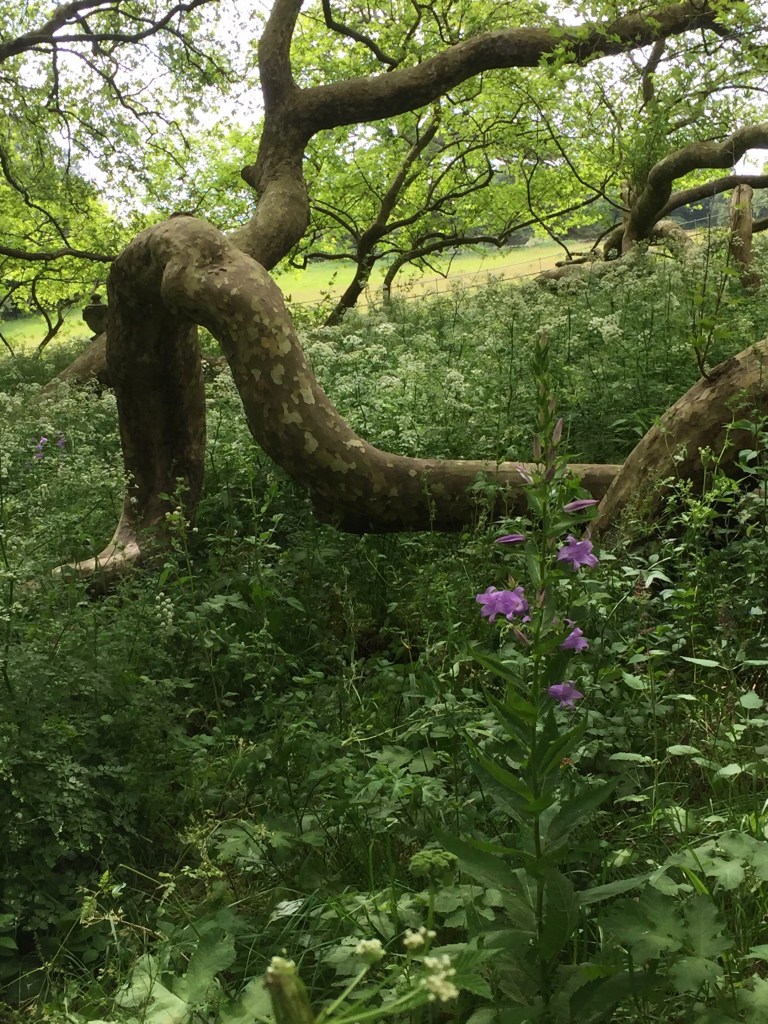
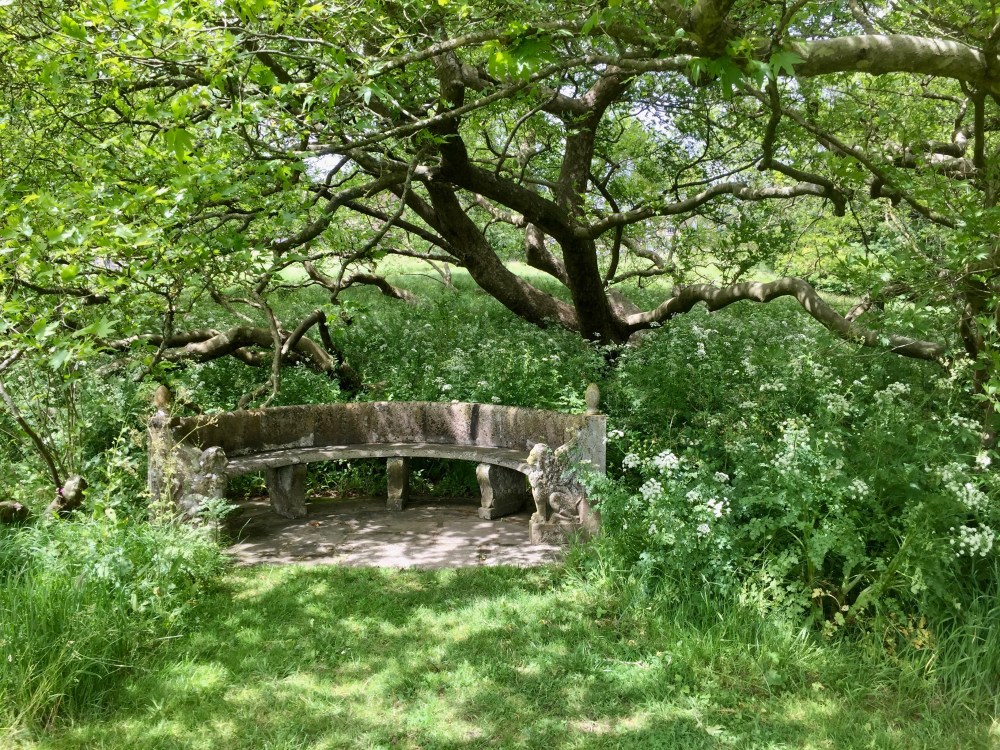 The oriental plane tree with urn and stone seat, Woolbeding
I cannot do justice to the Long Walk which is where Isabel and Julian Bannerman were invited to ‘lift’ an area of the garden which is indeed a good walk away from the oriental plane tree. Here there was already a Philip Jebb Summer House overlooking the river, but the Bannerman’s added theatrical ruins, a beautiful pale yellow Chinese Bridge, completely reorganised the water, installed a magnificent (completely fictional) Rother God made of stone and oyster shells from Whitstable and added really exhilarating planting to lure you up and around. It is an exquisitely detailed and exciting place.
 Romantic ruins, The Long Walk
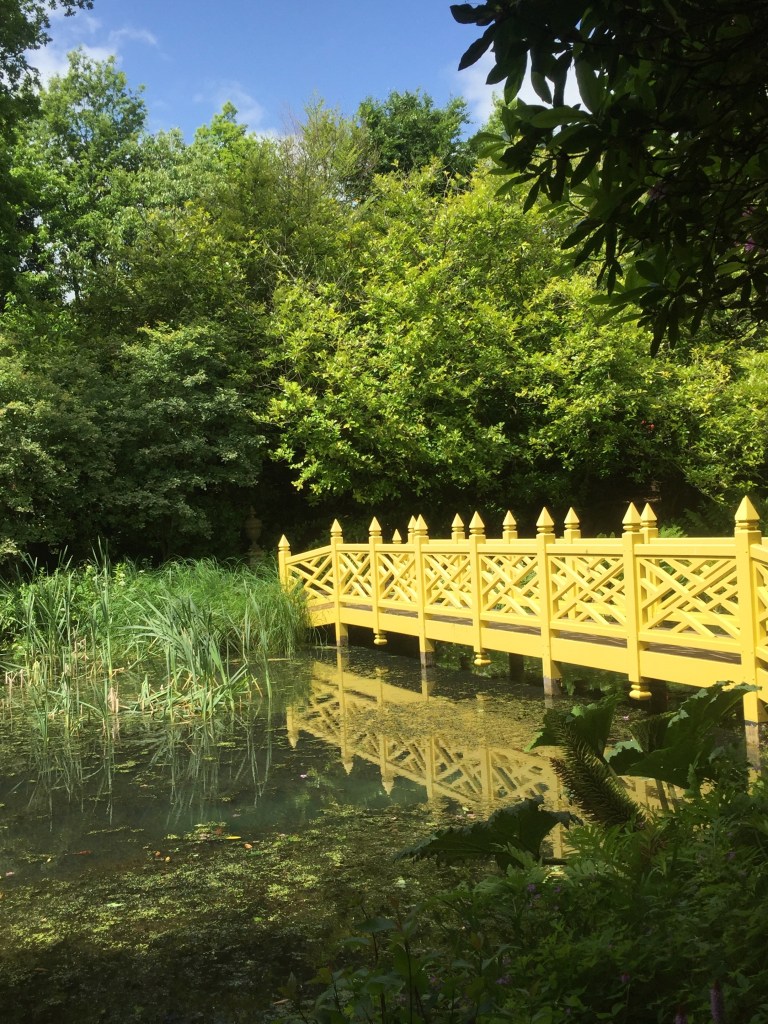 The yellow Chinese Bridge

 Philip Jebb’s summer house with electric green planting leading you towards it.


 The magnificent Rother God

 Interior of the Philip Jeb summer house
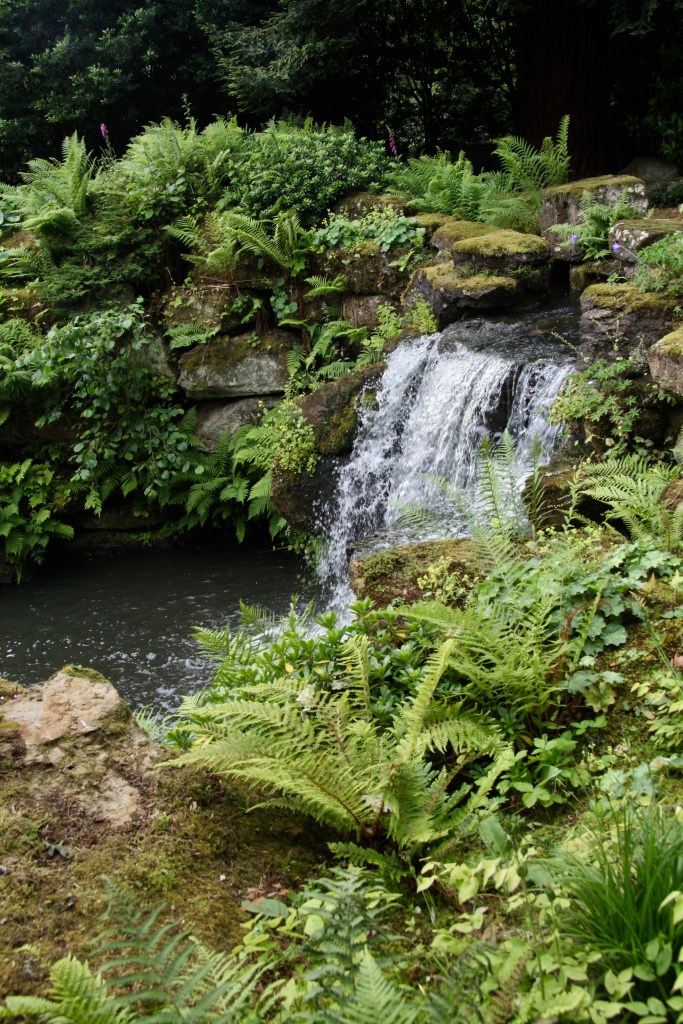
 The Cascade and detail of ammonites and ferns
I will leave you to book your ticket – the garden is only open on Thursdays and Fridays and places must be reserved in advance. Visitor numbers are limited to about 200 a day so it is never particularly full and, although there is a small cafe, visitors are encouraged to bring picnics and take themselves off to a quiet corner.
In this strange and choppy time, when so many plans have been stopped in their tracks, it is reassuring to reflect on the way a deep reverence for a sense of place – as well as admittedly encouragingly deep pockets – have brought about such a beautifully nurtured place. Allow yourself a great day out and go to Woolbeding. Feast your eyes, lie on the grass near the oriental plane tree and take time to look up at the sky.
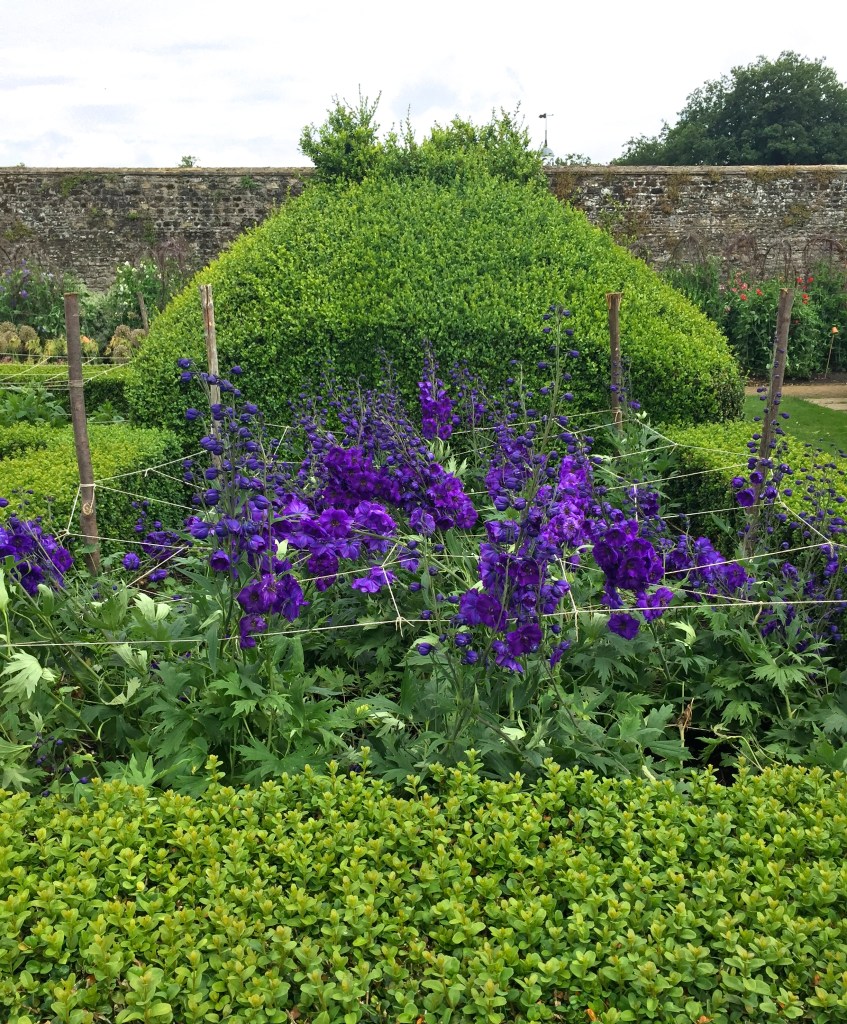 Electric blue delphiniums emerge from the box parterre in The Vegetable Garden, Parham
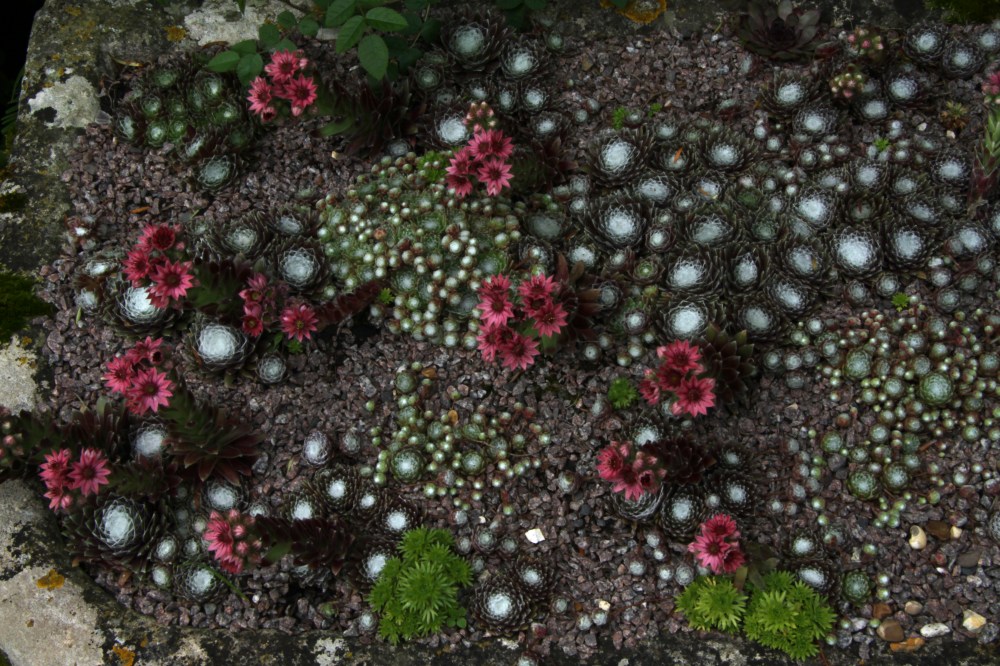 Quietly psychadelic succulents fill a stone trough in The Herb Garden
 Parham House, West Sussex
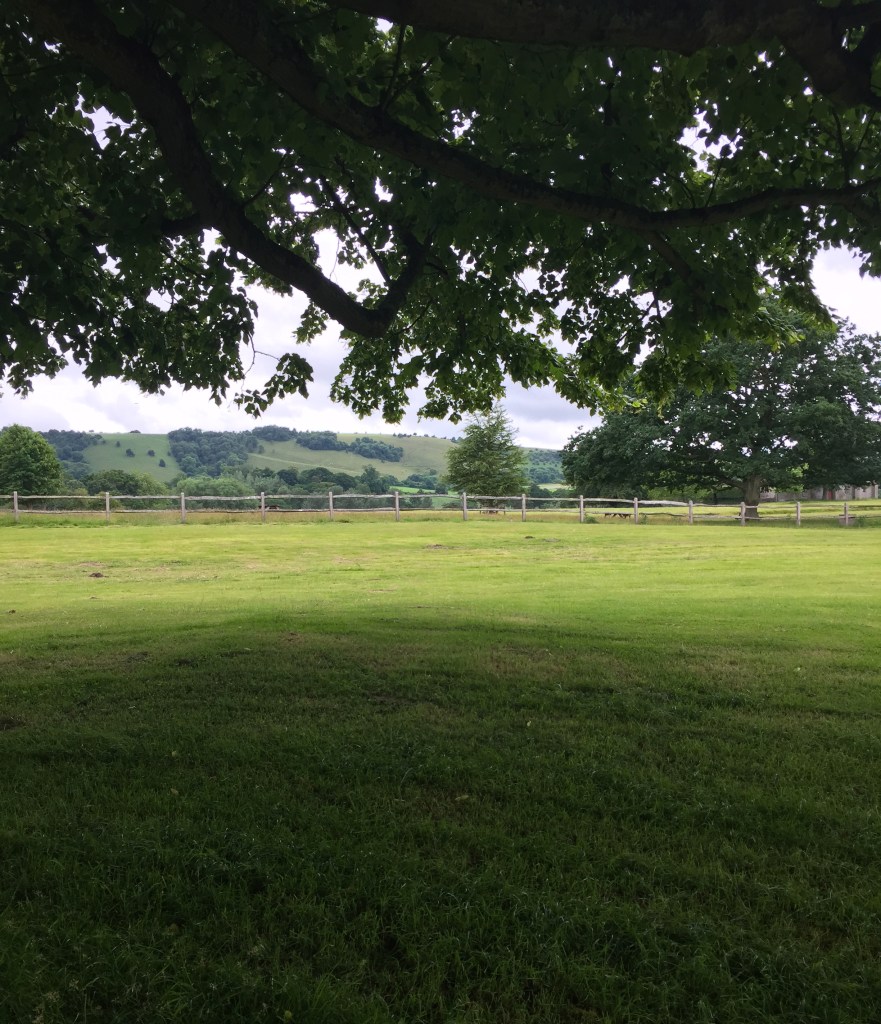 Parkland and views to rolling Sussex countryside, Parham
 A stand of mature oak trees, Parham
 The Clock Tower, entrance courtyard, Parham
 Multi-stemmed box trees lead the way into the garden.
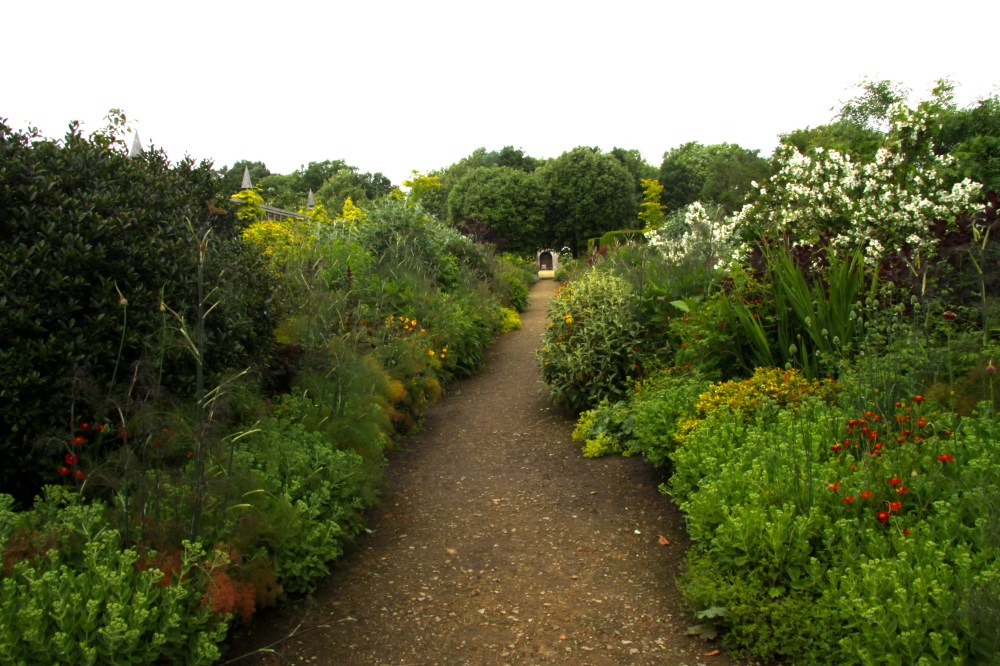 The dusky Entrance Borders, Parham, illuminated with spreading white Philadelphus
 Golden hops, bronze fennel, apricot-yellow day lilies, and yet-to-ripen head of Allium sphaerocephalon, The Entrance Borders, Parham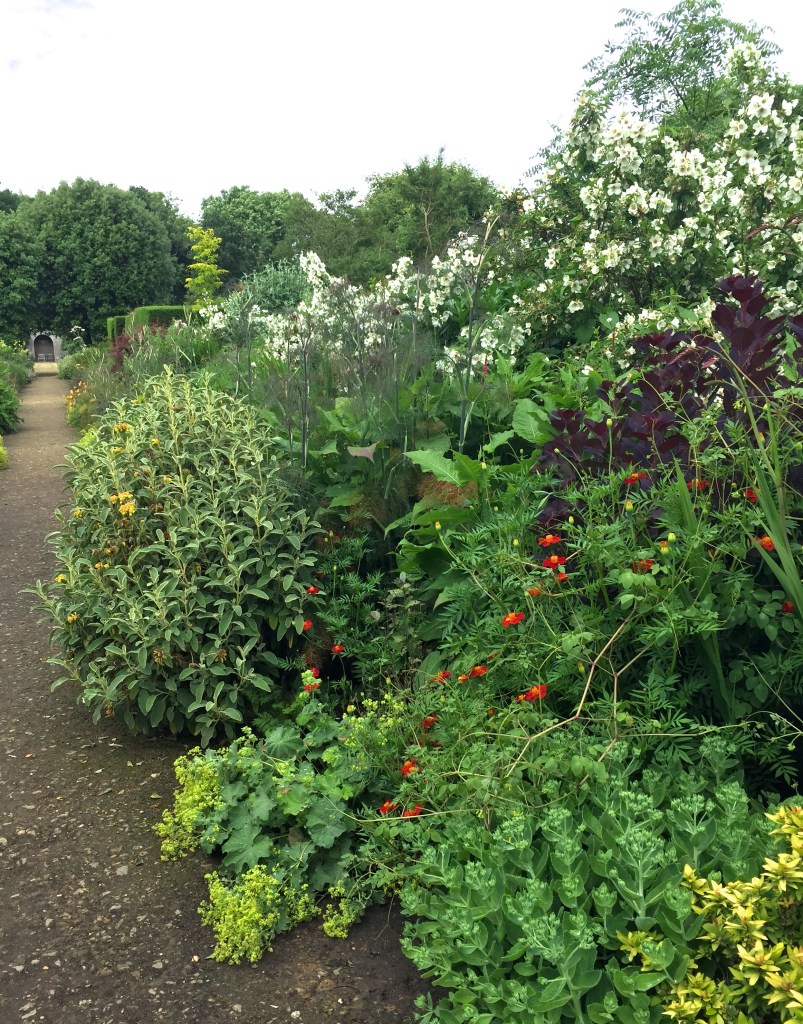


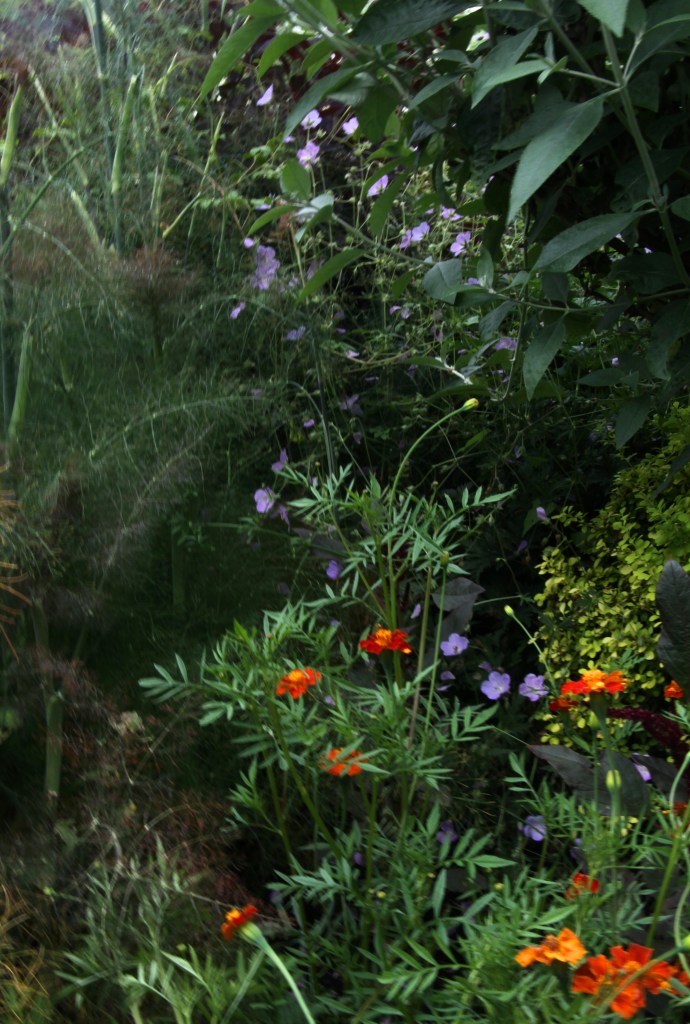 A sombre moment of geranium, bronze fennel and a flash of red marigold
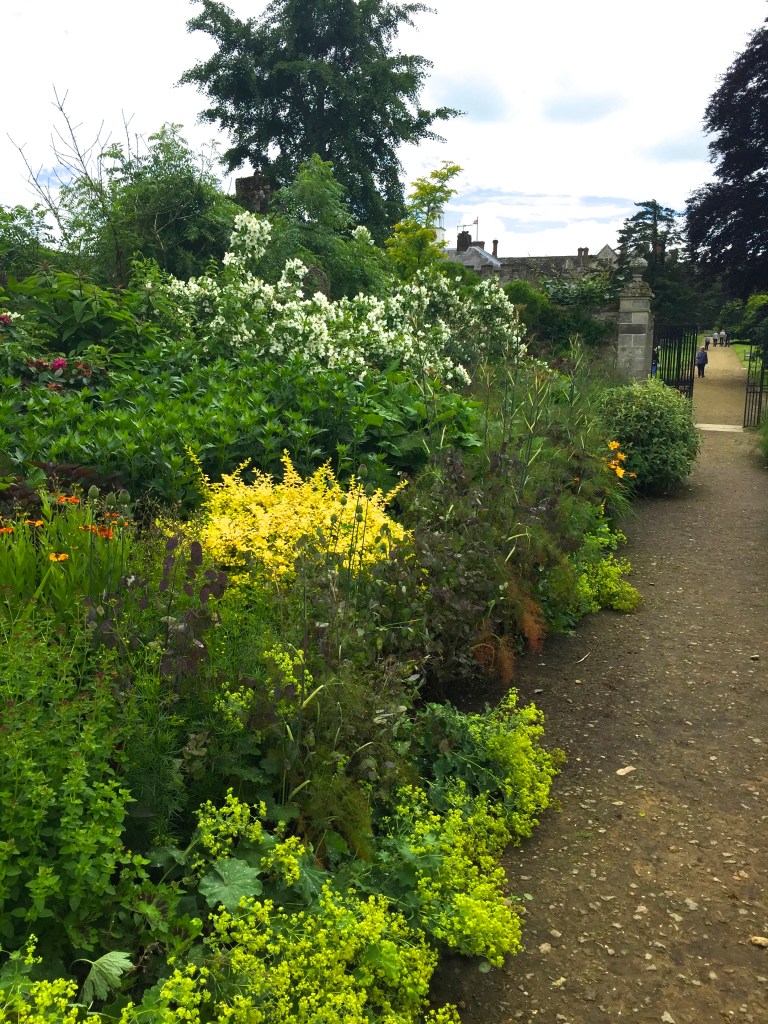 The border is lit up by a pocket of the shrub Berberis thunbergii ‘Aurea’
 Berberis thunbergii ‘Aurea’ , mauve geranium and seed heads of Lunaria annua
 Persicaria amplexicaulis ‘Firetail’ against Cotinus coggygria ‘Royal Purple’
 A balanced, light-catching group of Berberis thunbergii f. atropurpurea, red marigold, orange yellow day lily and Sedum ‘Autumn Joy’
 Golden hops festoons the trellis, with sweet-scented Philadelphus in the foreground
 Softly clothed entrance into The Herb Garden


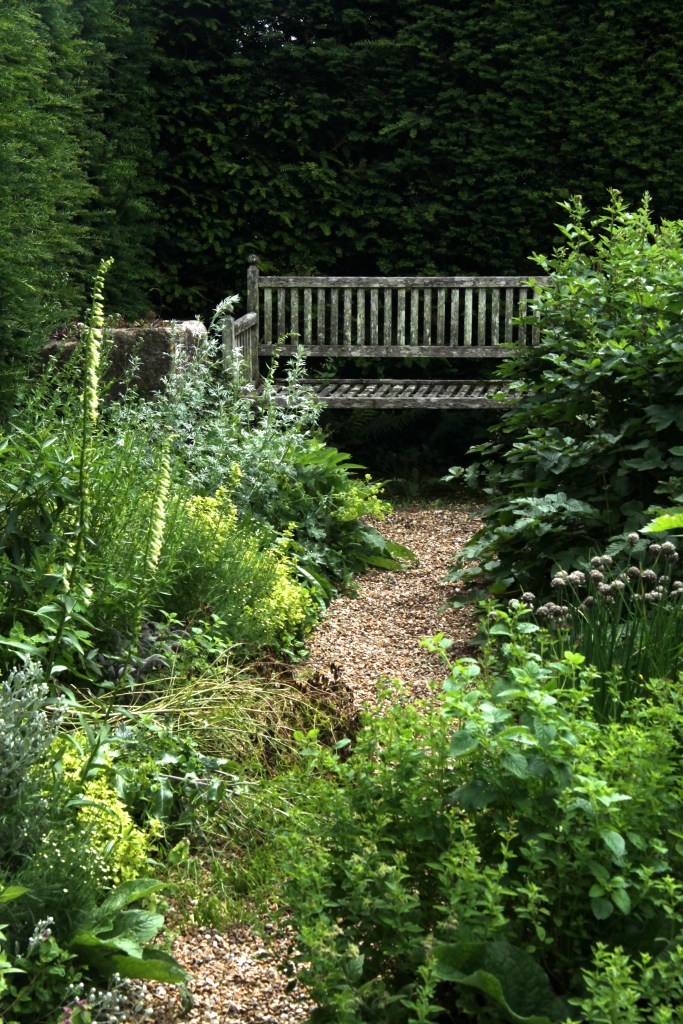 Winding gravel path to a second bench with slender spires of the creamy Digitalis lutea
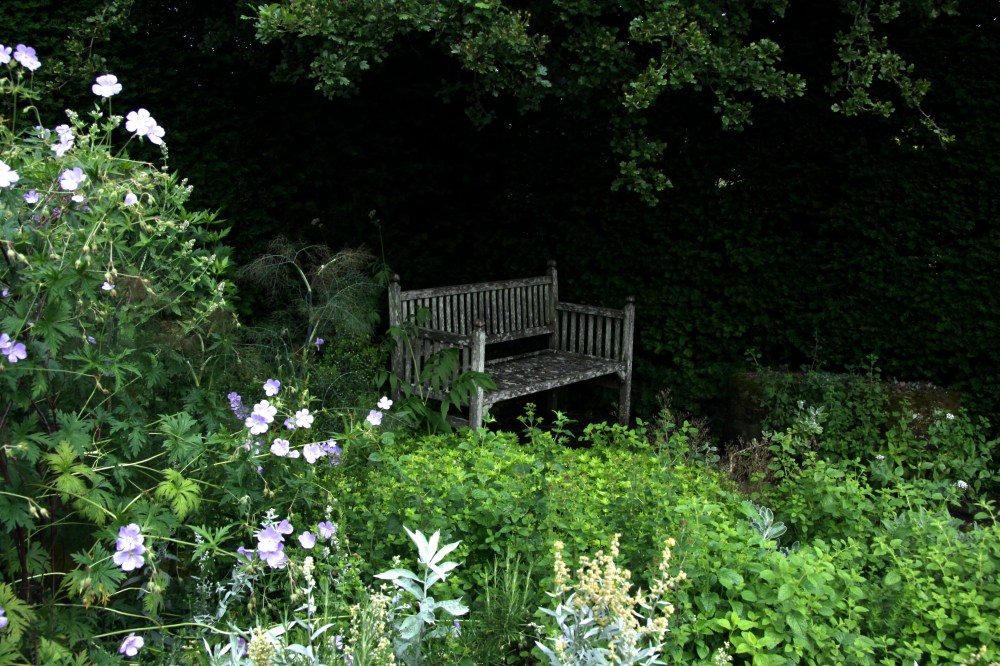 A third bench deep in the shade of an old apple tree
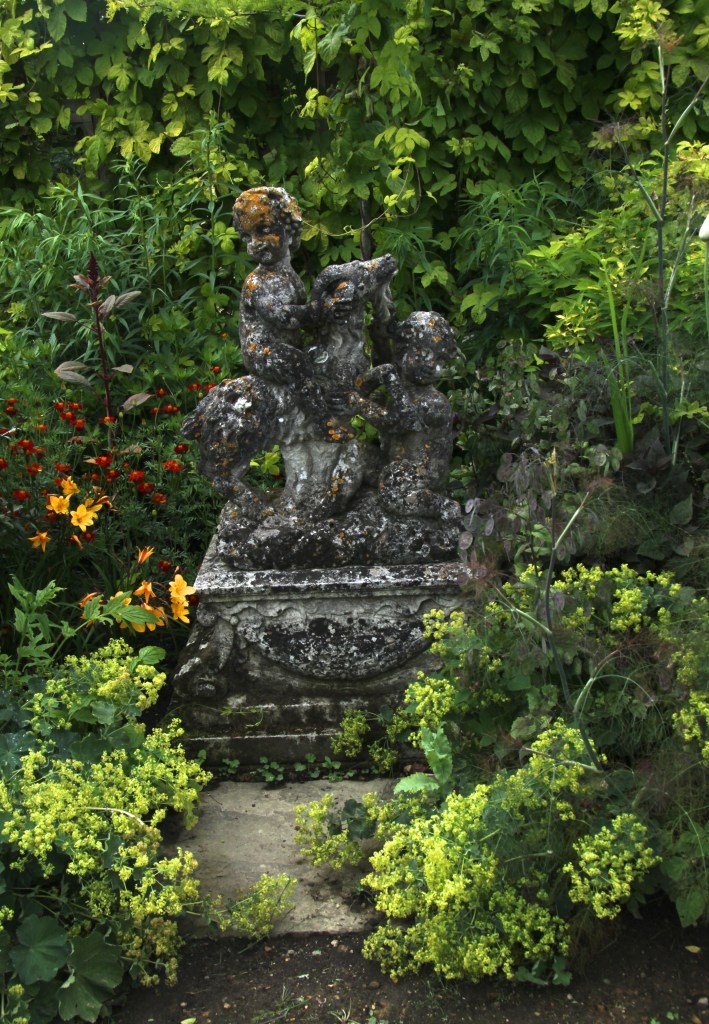

 View as you leave The Herb Garden
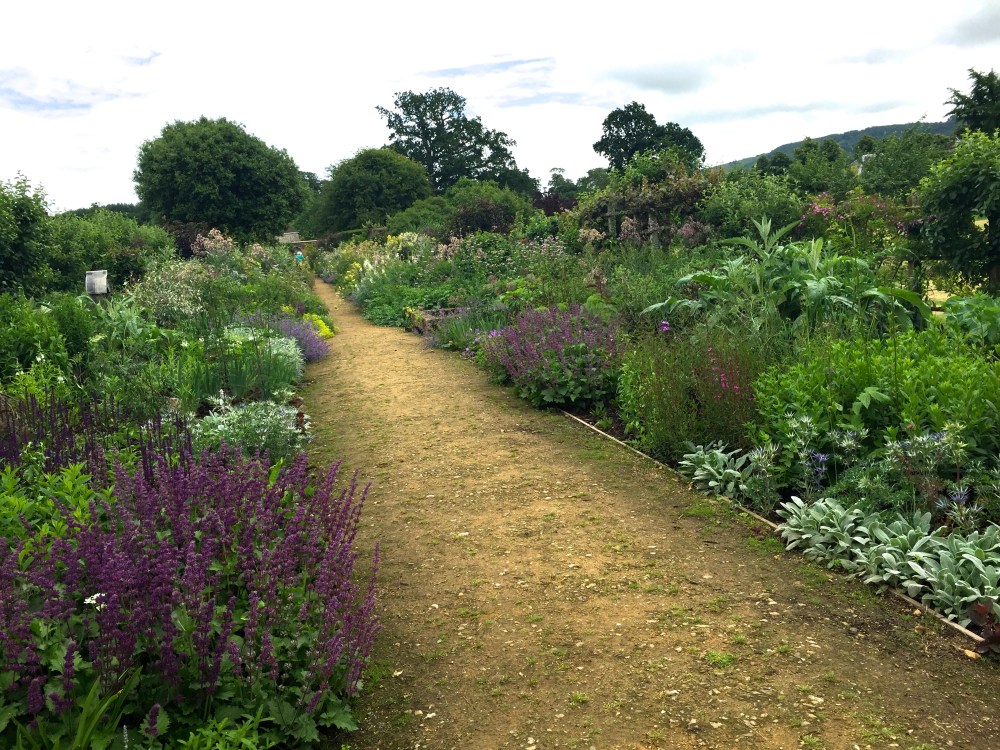 FIrst view of the Blue Border
 Espalier apple trees edge the border
 Art deco style arches act as pause points in the fence – the older lichen-covered arch above is clothed in Vitis vinifera ‘Purpurea’
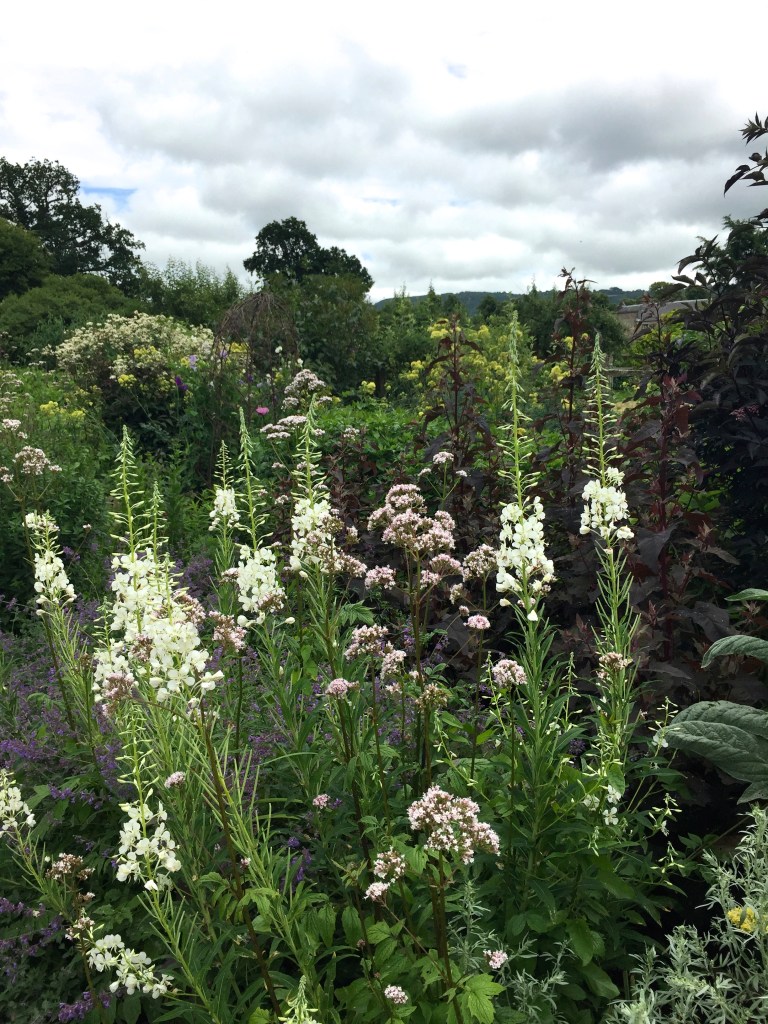 Chamerion angustifolium ‘
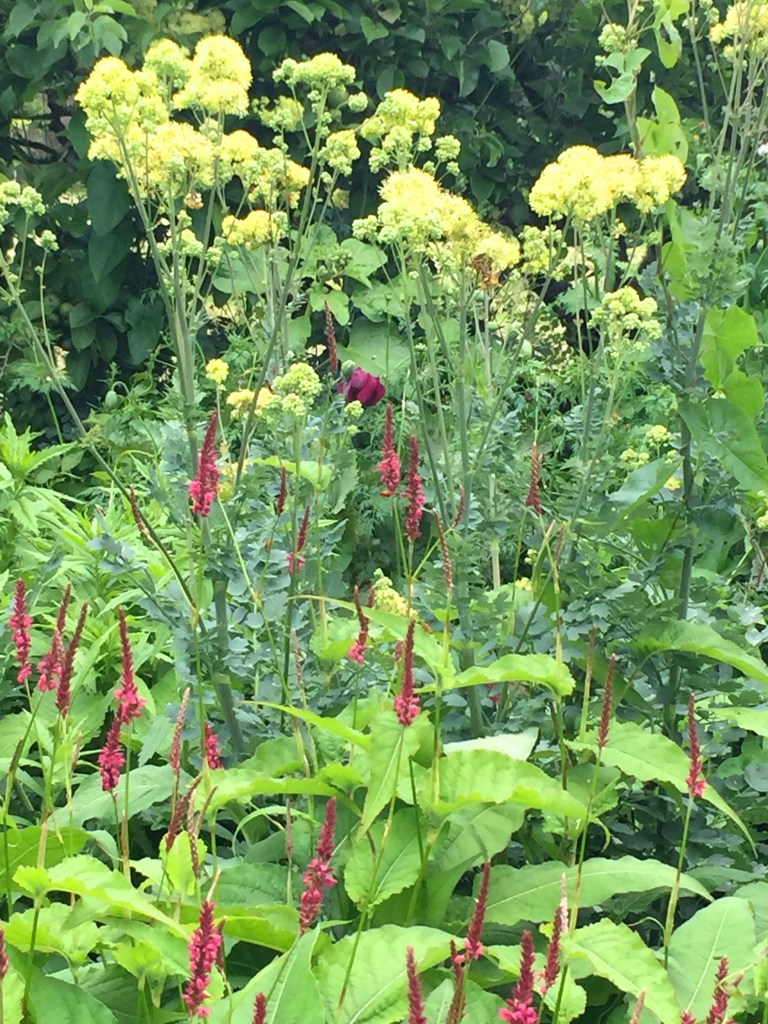 Thalictrum flavum subsp. glaucum and Persicaria ‘Firetail’
 Thalictrum ‘Elin’
 Thalictrum flavum subsp. glaucum, Valeriana pyrenaica, Chamerion angustifolium ‘Album’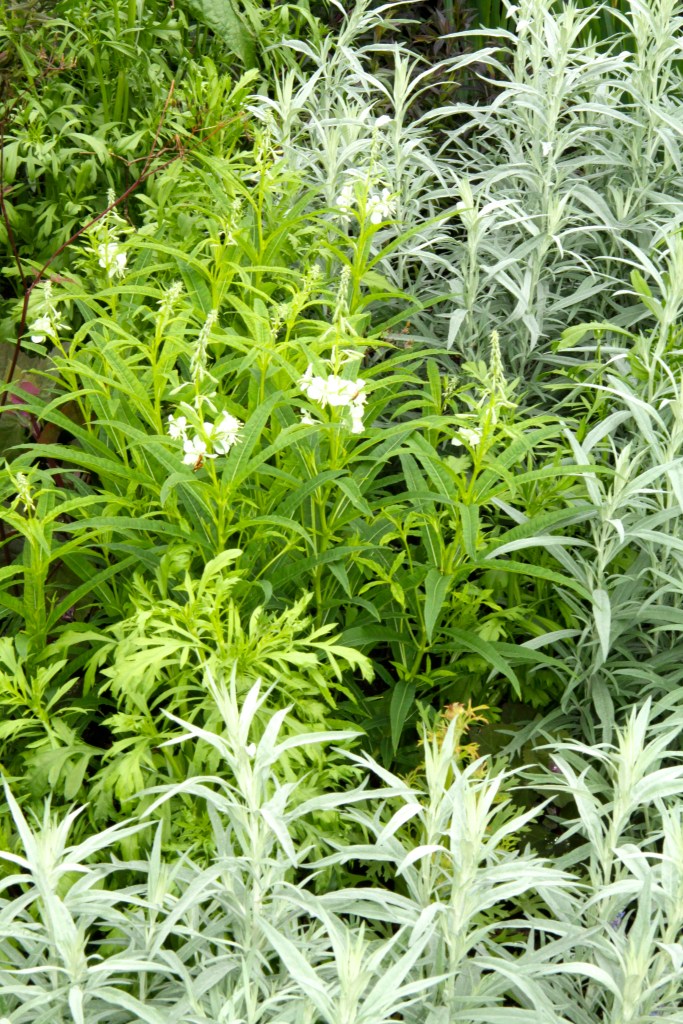
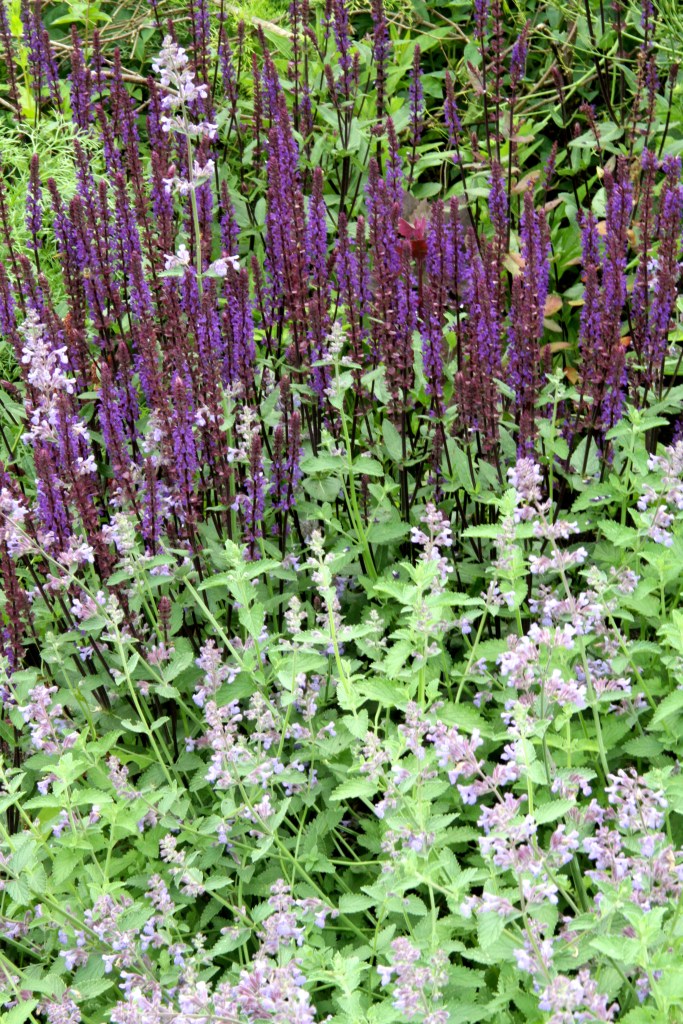
 Mounds of salvia, catmint and blue geranium anchor the border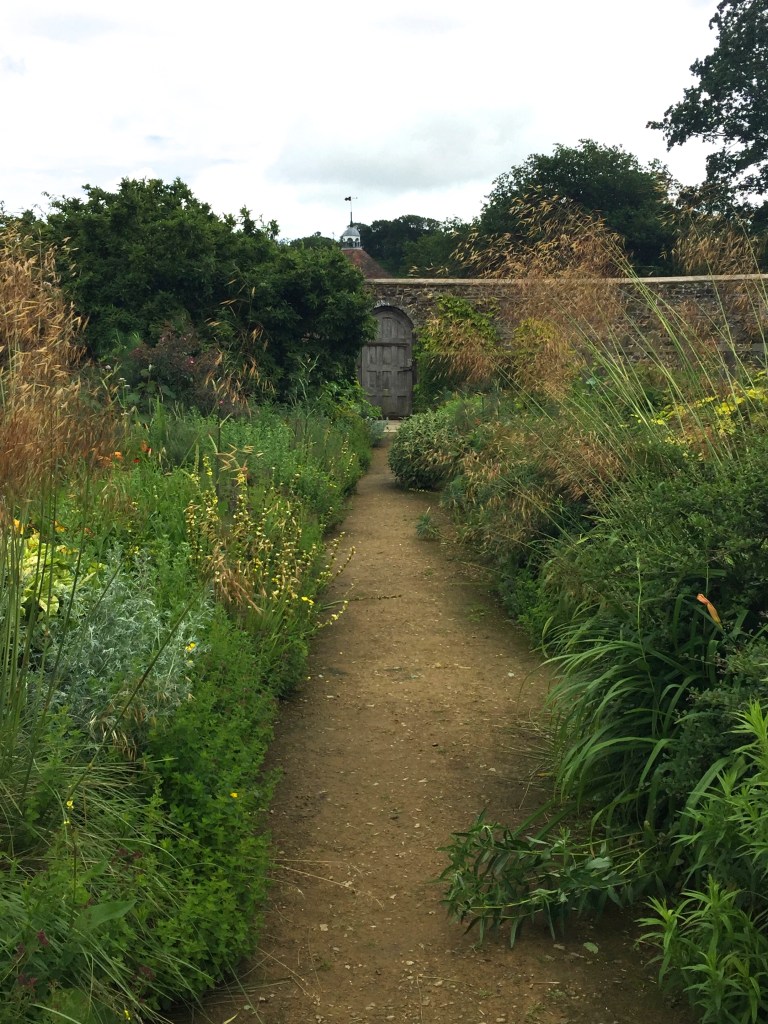
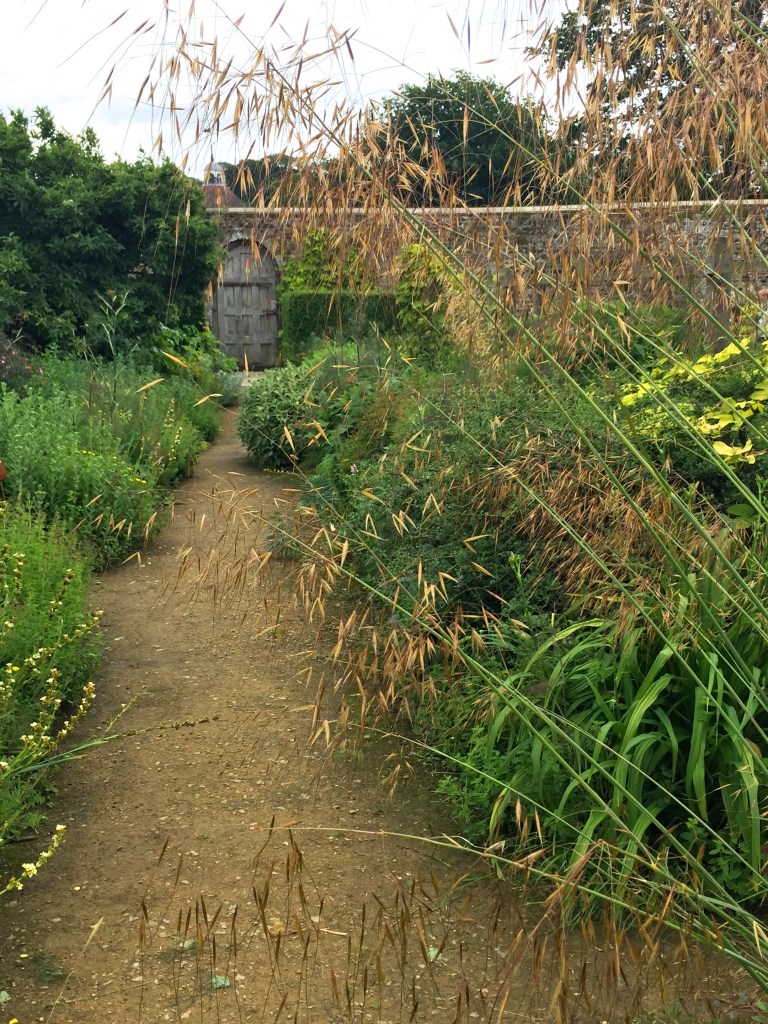
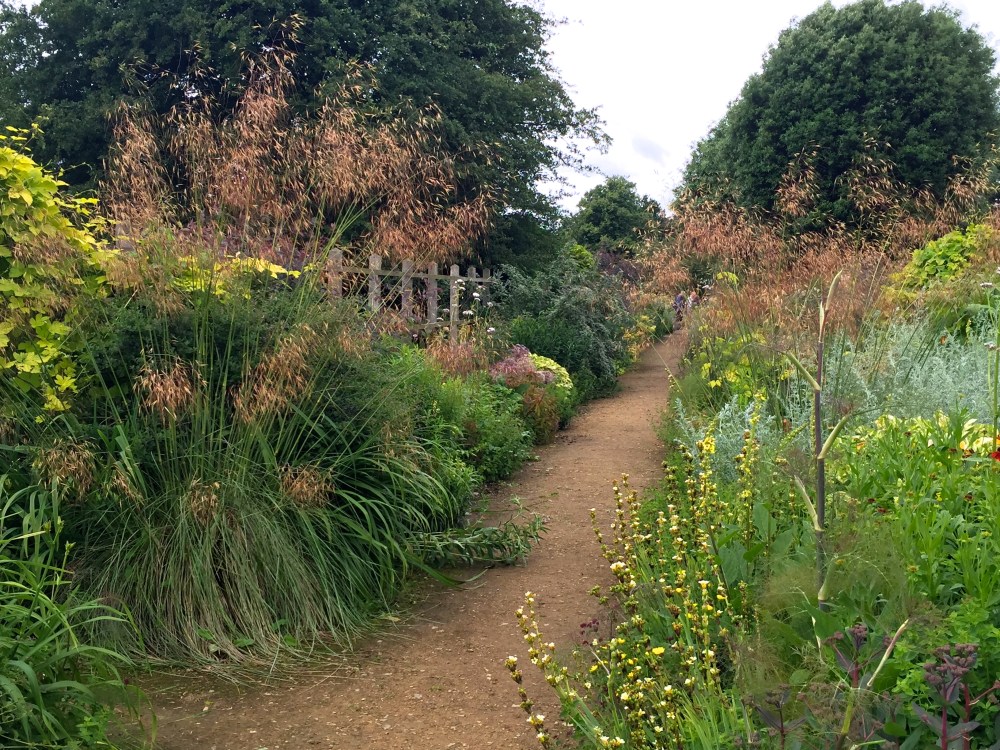 The bronze fireworks of Stipa gigantea are anchored by the swordlike foliage and pale yellow flowers of Sisyrinchium striatum in the Gold Border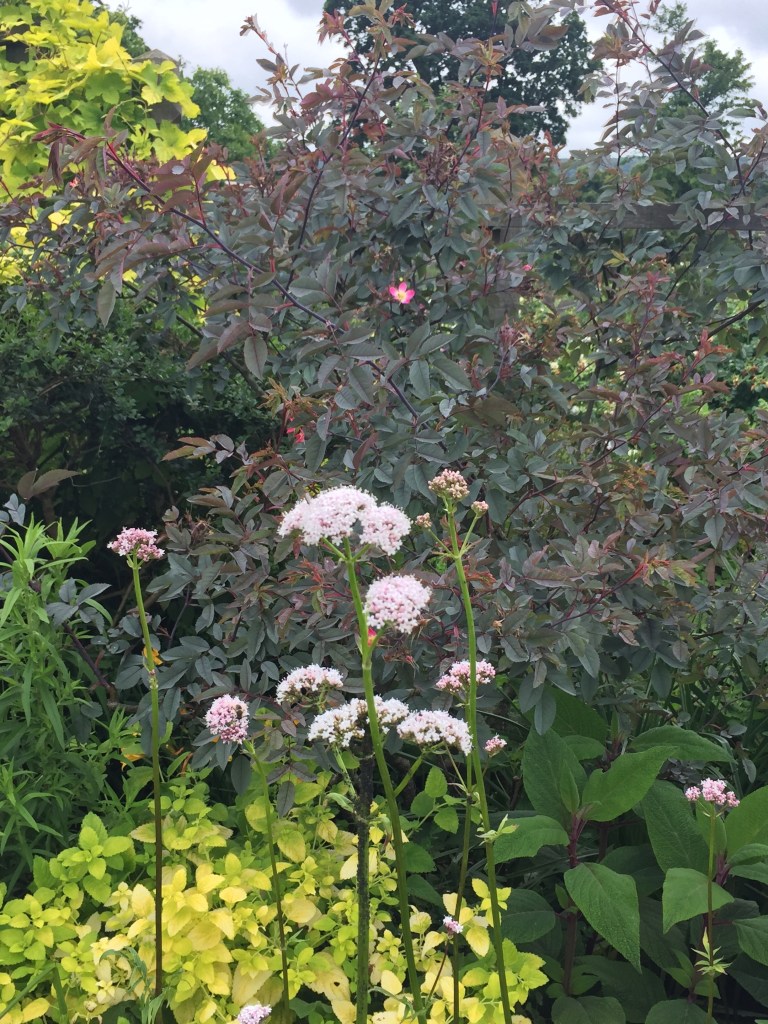

 Sedum ‘Matrona’ with golden hops
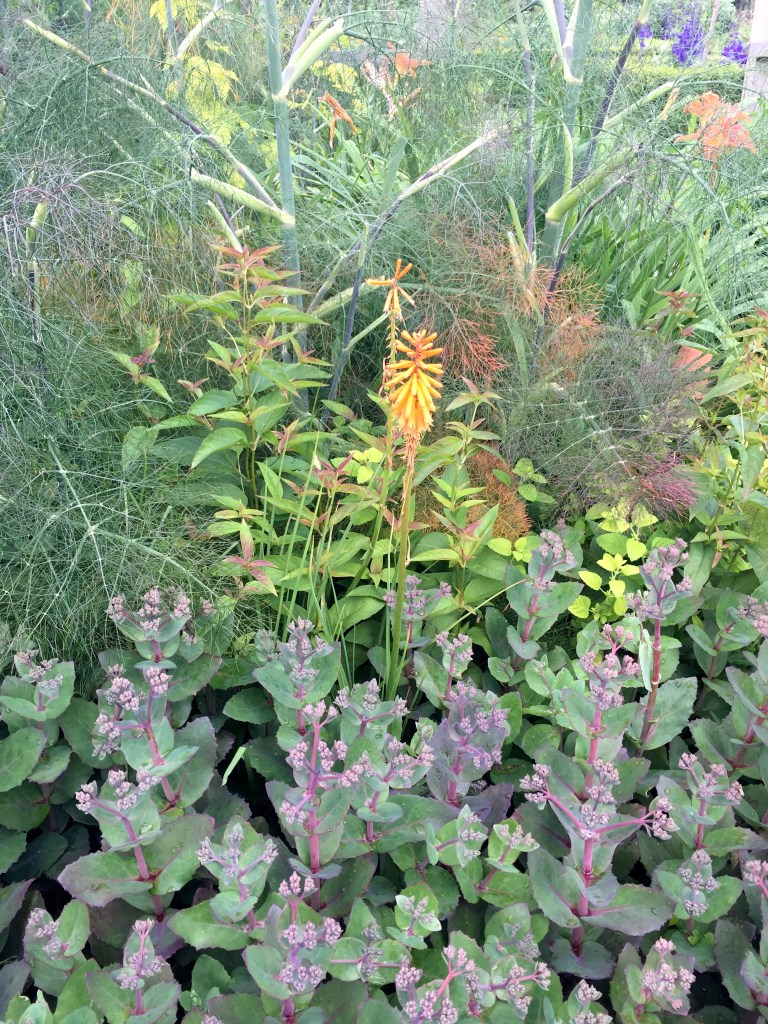 An orange Kniphofia amongst sedum and bronze fennel
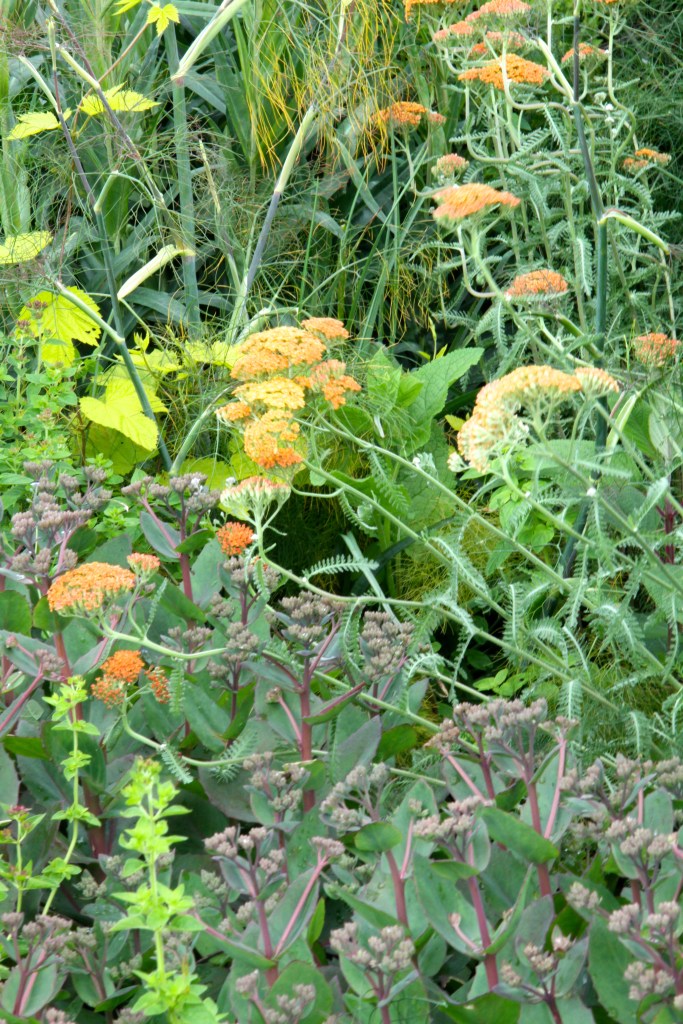 The flat heads of Achillea millefolium ‘Terracotta’ with Sedum ‘Matrona’

 Clipped box, electric blue delphinium, Amni majus, and giant allium in bud
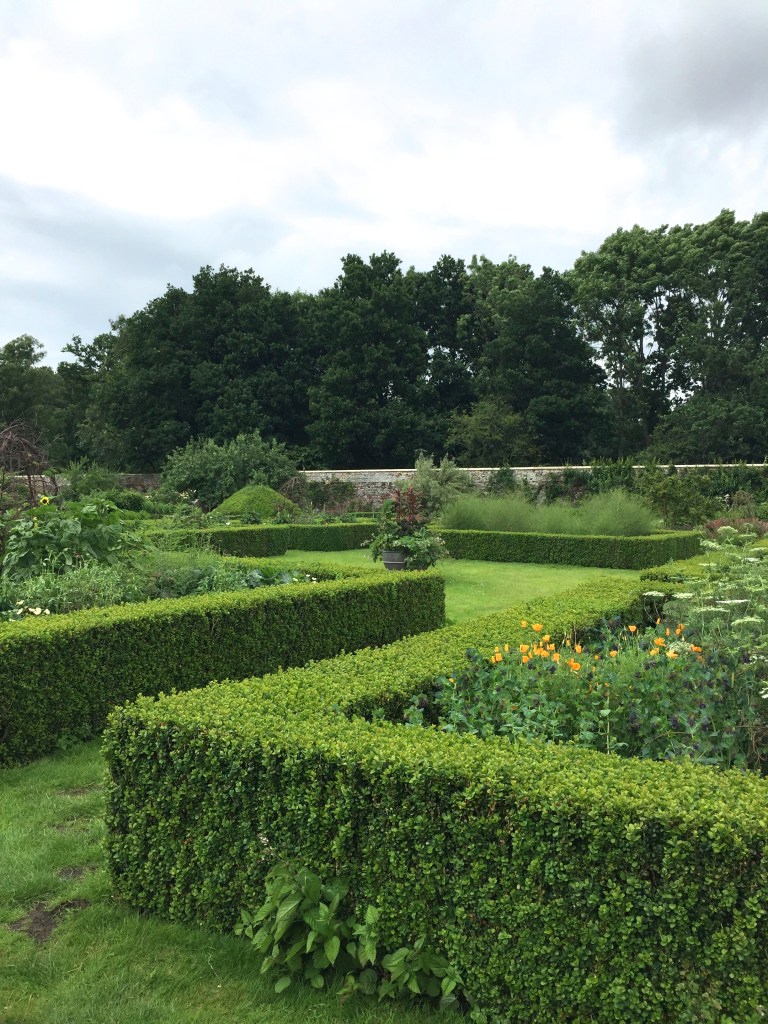 The Vegetable Garden Parterre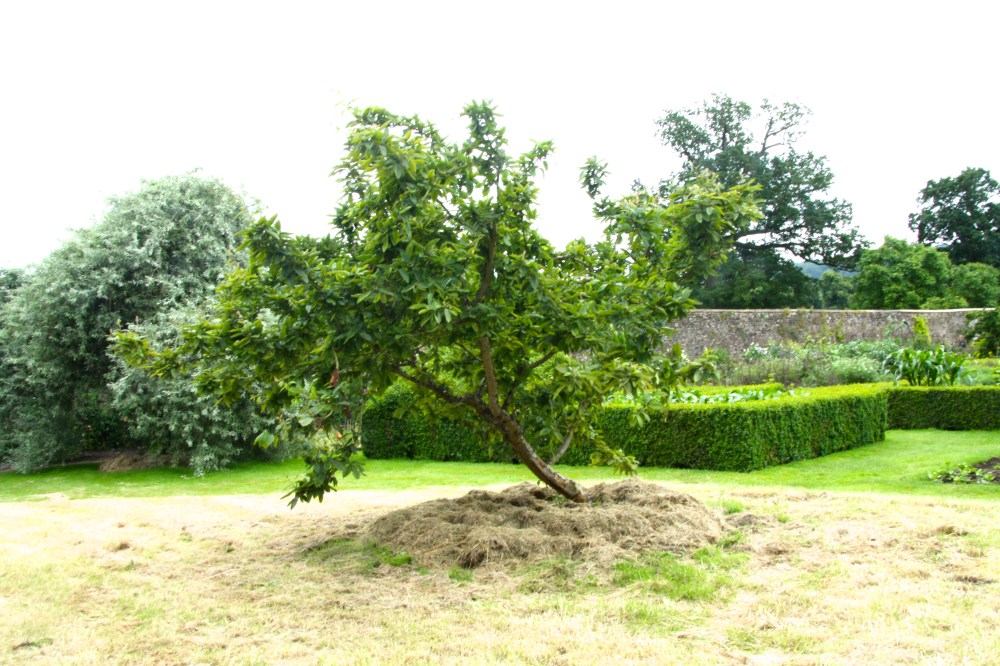

 The 1928 Wendy House
 A not very helpful selfie to show the scale of Wendy House …
 Digitalis lutea

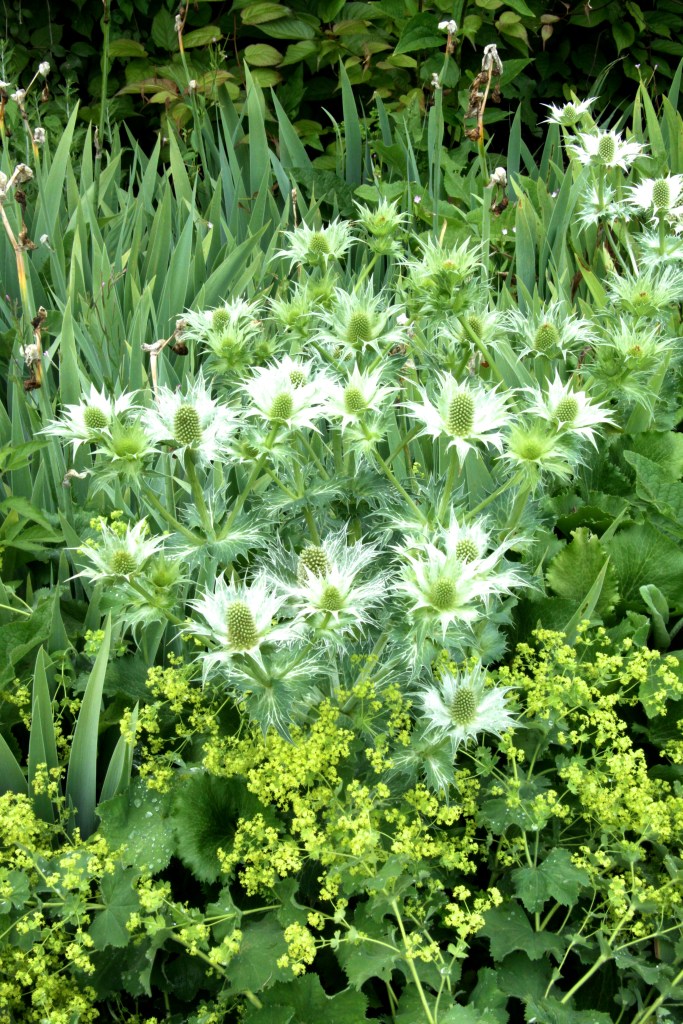 A fine stretch of shady planting – the bottom photo shows the acid green of Alchemilla mollis and the pale silvery green of the young Eryngium giganteum ‘Silver Ghost’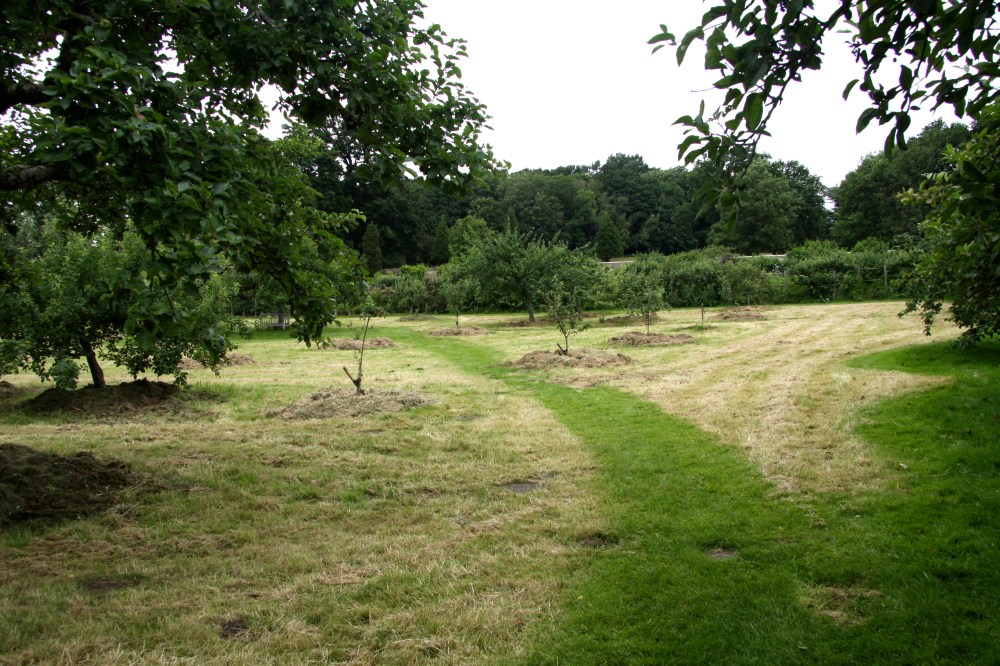
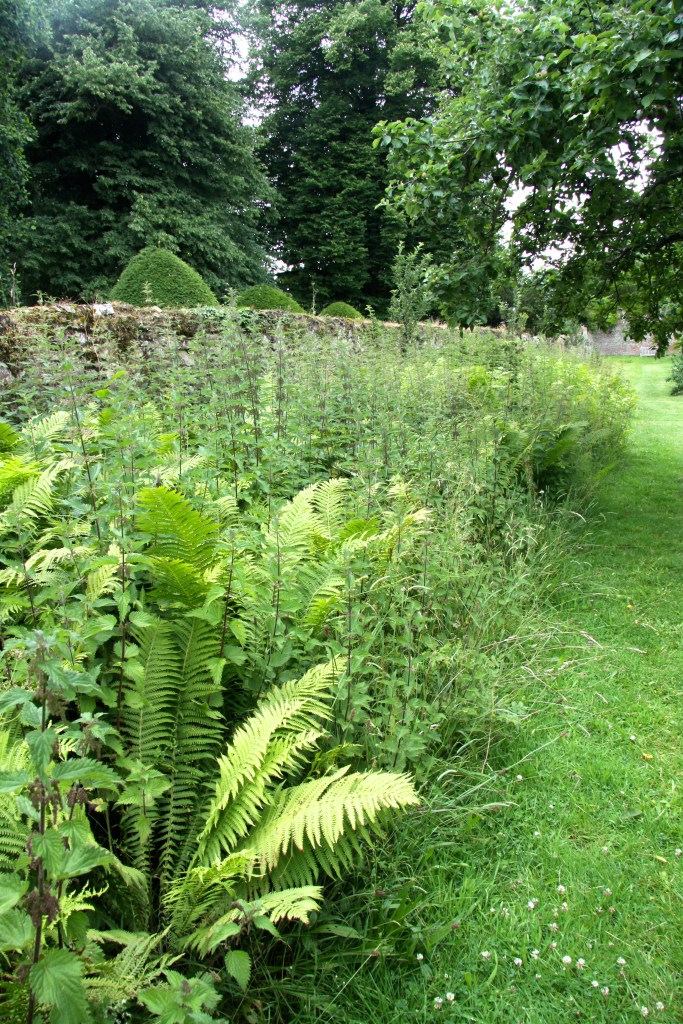 The orchard with a strip of wild-life friendly nettles at its edge
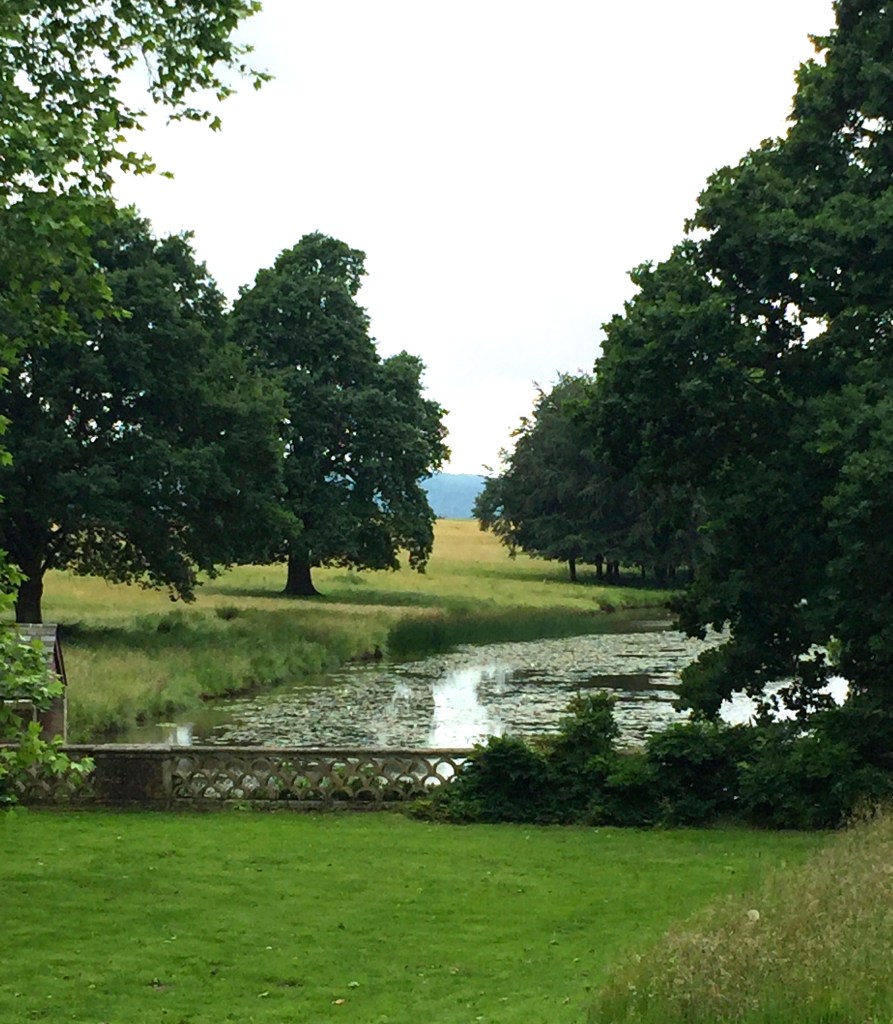 The lake at Parham
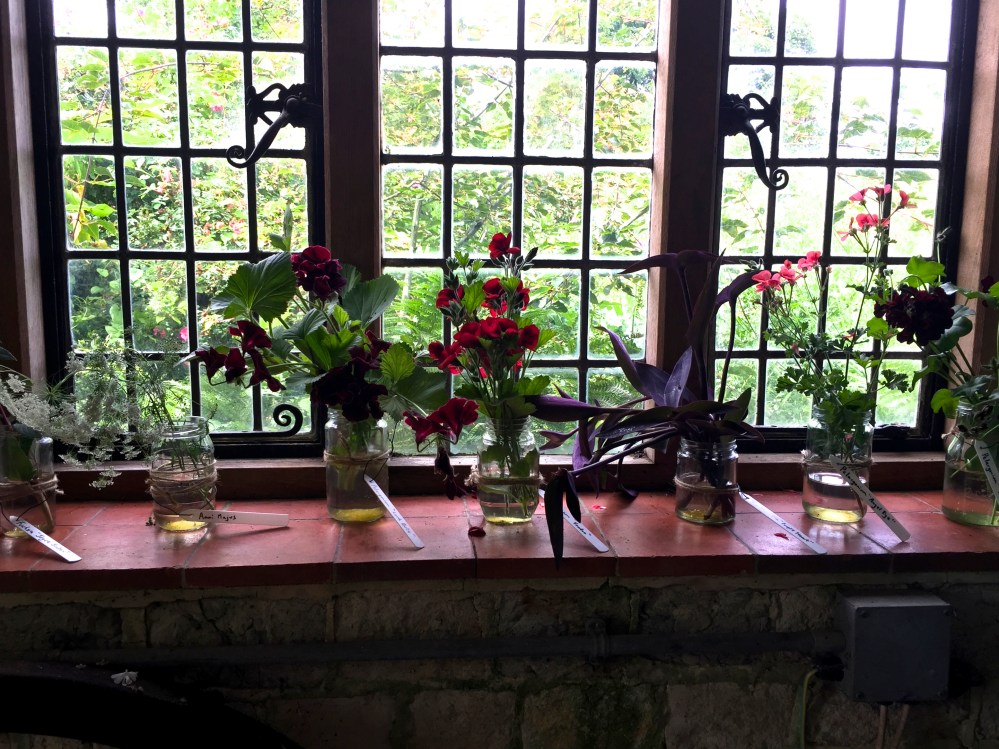
 Pelargoniums in simple glass vases against lead paned windows
 Route through the greenhouses
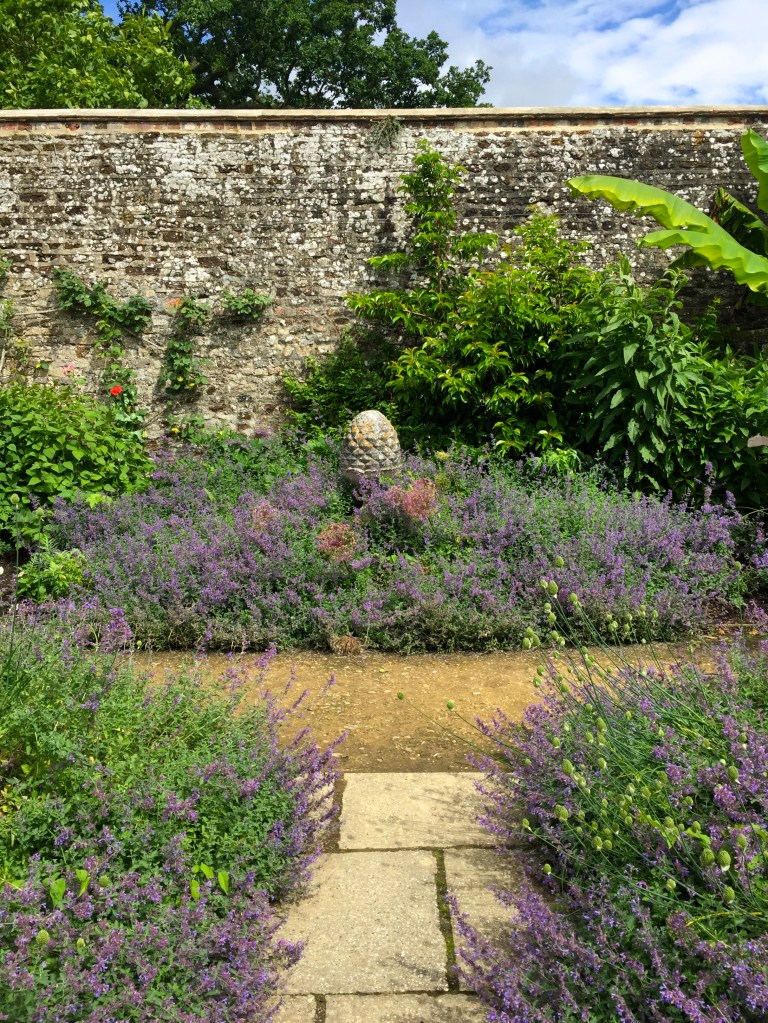


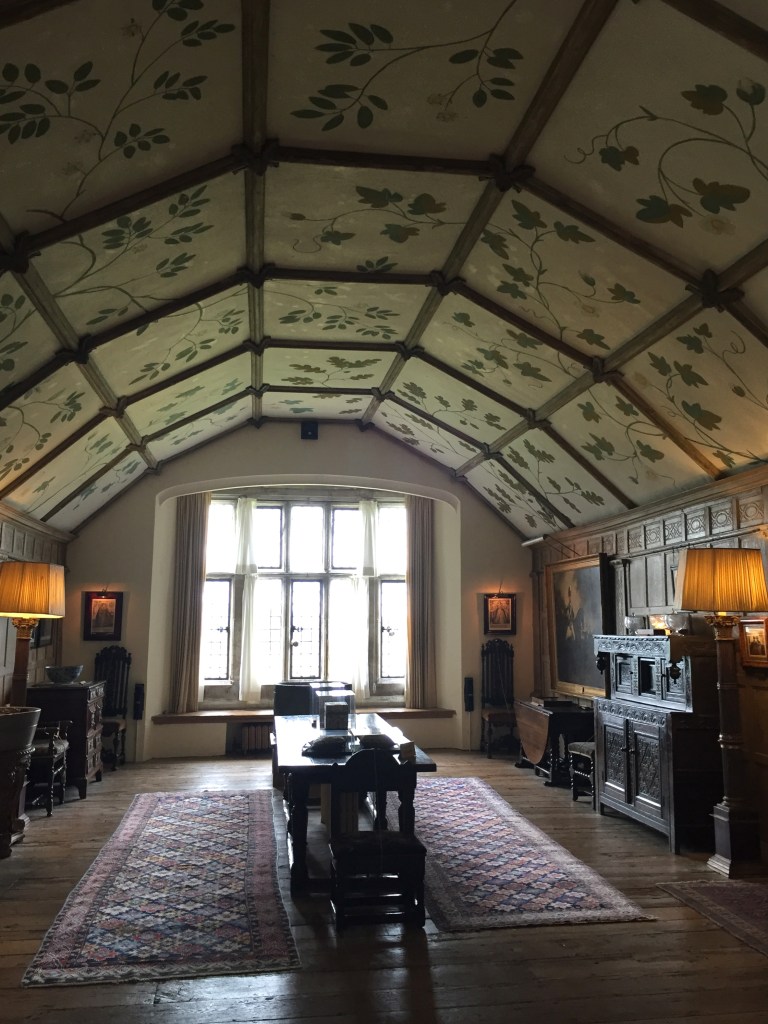


 The Dahlia Papers